Galaxy AI vs Pixel vs Apple Intelligence: Whose Phone AI Actually Helps in 2026
We compared the real, day-to-day AI features across all 11 phones we've reviewed — not the keynote demos, the features people actually use.
Every phone maker now claims their device is "an AI phone," but the actual on-device experience varies enormously once you look past the marketing slide. Across the 11 phones we've reviewed, AI features range from genuinely useful, well-integrated tools to half-baked demos that most owners try once and never open again. Here's how the real AI features on each platform compare, based on what they actually do rather than what the keynote promised.
Samsung's Galaxy AI: The Most Complete Package
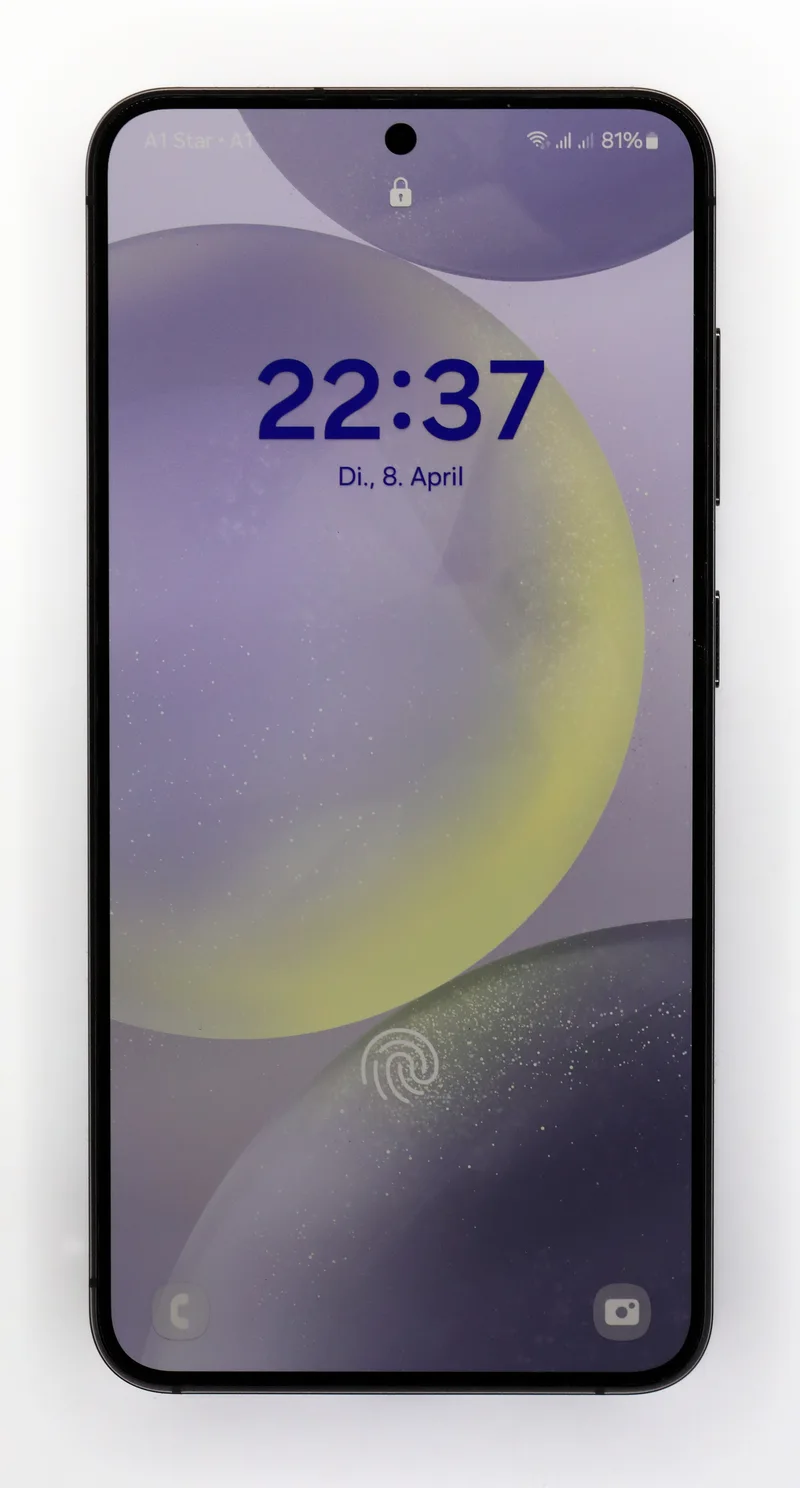
The Galaxy S24 launched as Samsung's first phone built around Galaxy AI, and it remains the most fully-featured implementation in our entire lineup. Live Translate handles real-time phone call translation directly in the dialer, Circle to Search lets you search anything on screen with a gesture, and Chat Assist rewrites message tone before you send. Generative Edit — Samsung's answer to Google's Magic Eraser — moves and removes objects in photos convincingly for most everyday use cases. Critically, Samsung backed these features with a genuine multi-year update commitment, which our Galaxy S24 two-years-later retrospective found still functioning well after two full years of real use, not abandoned the way some launch-era AI gimmicks tend to be.
Google's Gemini and Pixel-Exclusive AI: Narrower but Deeper
The Pixel 8 Pro takes a different approach: fewer headline features, but each one is built directly into Google's own Tensor silicon and genuinely difficult for competitors to match. Magic Editor's ability to convincingly relocate or resize subjects in a photo, Best Take's ability to composite the best expression from multiple group shots, and the Recorder app's live on-device transcription are all still, years after launch, among the most technically impressive AI features on any phone we've tested. The trade-off is that a meaningful share of Pixel's best AI tools remain camera- and photo-editing-focused rather than spanning the whole phone the way Galaxy AI does — a narrower but genuinely deeper set of tools.
Apple Intelligence: Late, Limited, and iPhone 15-Specific
Apple came to on-device AI later than Samsung or Google, and Apple Intelligence's rollout was notably uneven across the iPhone lineup covered in our reviews. The iPhone 15 can run a meaningful subset of Apple Intelligence features — writing tools, notification summaries, a redesigned Siri — but the iPhone 14 and iPhone SE, both still very much in active use per our iPhone 14 retrospective, are locked out of most of it by hardware requirements tied to on-device neural processing power. For buyers specifically prioritizing AI features, that's a real practical gap between iPhone generations that a spec sheet comparison alone wouldn't reveal.
Xiaomi's HyperOS AI: Capable, Region-Locked
Xiaomi 14 ships with HyperOS AI features that are technically comparable to Samsung's — an AI subtitle generator, photo enhancement tools, and a rebuilt AI assistant — but a significant share of them are limited or entirely unavailable outside China at launch, gradually rolling out to global markets over time rather than shipping complete on day one. That rollout gap is one of the recurring frictions we noted in our Xiaomi 14 vs Galaxy S24 Western-market comparison, and it applies just as much to AI software as it does to retail availability.
HONOR's MagicOS AI: Underrated and Underused
The Magic6 Pro includes genuinely strong AI photography tools — its Magic Portal feature intelligently extracts content from whatever's on screen and routes it to the right app — but HONOR's comparatively low Western brand profile means far fewer buyers ever discover these features exist, let alone use them regularly. It's a recurring theme for this specific phone: excellent capability undermined by limited market visibility, the same dynamic that hurts its resale value and mainstream recognition more broadly.
Nothing OS and Sony's Xperia: AI as an Afterthought
Both the Nothing Phone (2) and the Xperia 1 V take a visibly lighter-touch approach to AI than any other phone in our lineup. Nothing OS layers a handful of smart-notification features onto a close-to-stock Android base rather than building out a dedicated AI suite, consistent with the phone's broader design-first identity. Sony's approach is even more deliberate: the Xperia 1 V is built for creators who want manual control over photo and video capture, not automated AI intervention in the shot, so Sony has simply chosen not to compete on this particular front at all.
Budget Tier: Galaxy A54's Partial Galaxy AI Support
The Galaxy A54 is a useful data point on how AI features trickle down the price ladder. It received a partial Galaxy AI rollout well after the Galaxy S24's launch, with some processor-intensive features held back for flagship-tier chips specifically. It's a preview of where the rest of the mid-range market is heading, but buyers shouldn't assume "Galaxy AI" printed on a budget phone's box means the identical feature set as the flagship that introduced it.
Which AI Features Actually Matter Day to Day
Strip away the keynote demos, and a much smaller set of AI features actually change daily phone use in practice: real-time call translation, on-device transcription, and convincing photo object removal are the three we've found genuinely useful across extended testing, not just impressive in a five-minute demo. Judged strictly on that practical basis, Samsung's Galaxy AI and Google's Pixel-exclusive tools are ahead of the rest of this lineup, while Apple Intelligence remains meaningfully hampered by inconsistent availability across otherwise-capable older iPhones.
On-Device Processing vs Cloud Dependence
Where the AI processing actually happens is a genuinely underrated distinction across this lineup. Google leans heavily on Tensor's dedicated on-device machine-learning cores for the Pixel 8 Pro's headline features, which means tools like Recorder transcription keep working with no signal at all. Samsung's Galaxy AI is more of a hybrid: some Galaxy S24 features run locally, but several of the more advanced ones, including real-time call translation, depend on a live connection to Samsung's servers, and stop working the moment you lose signal. Apple has generally taken the most privacy-conservative position of the three, explicitly favoring on-device processing wherever the iPhone 15's hardware allows it and disclosing clearly when a request needs to leave the device at all. For buyers who travel frequently or work in areas with unreliable connectivity, this distinction can matter more in practice than any individual feature comparison.
Verdict
No single phone in our lineup wins outright on AI. Samsung offers the broadest feature set across the whole phone, Google offers the deepest camera-specific tools, and Apple offers a promising but unevenly-available start. For buyers who genuinely plan to use on-device AI features daily rather than as a novelty, that distinction between breadth, depth, and availability matters more than any single headline feature comparison.