Galaxy S24, Two Years Later: How Well Has Samsung's Galaxy AI Flagship Aged?
Samsung's $799 flagship launched in January 2024 wrapped around a big AI features push. Here's how that bet looks two-plus years on.
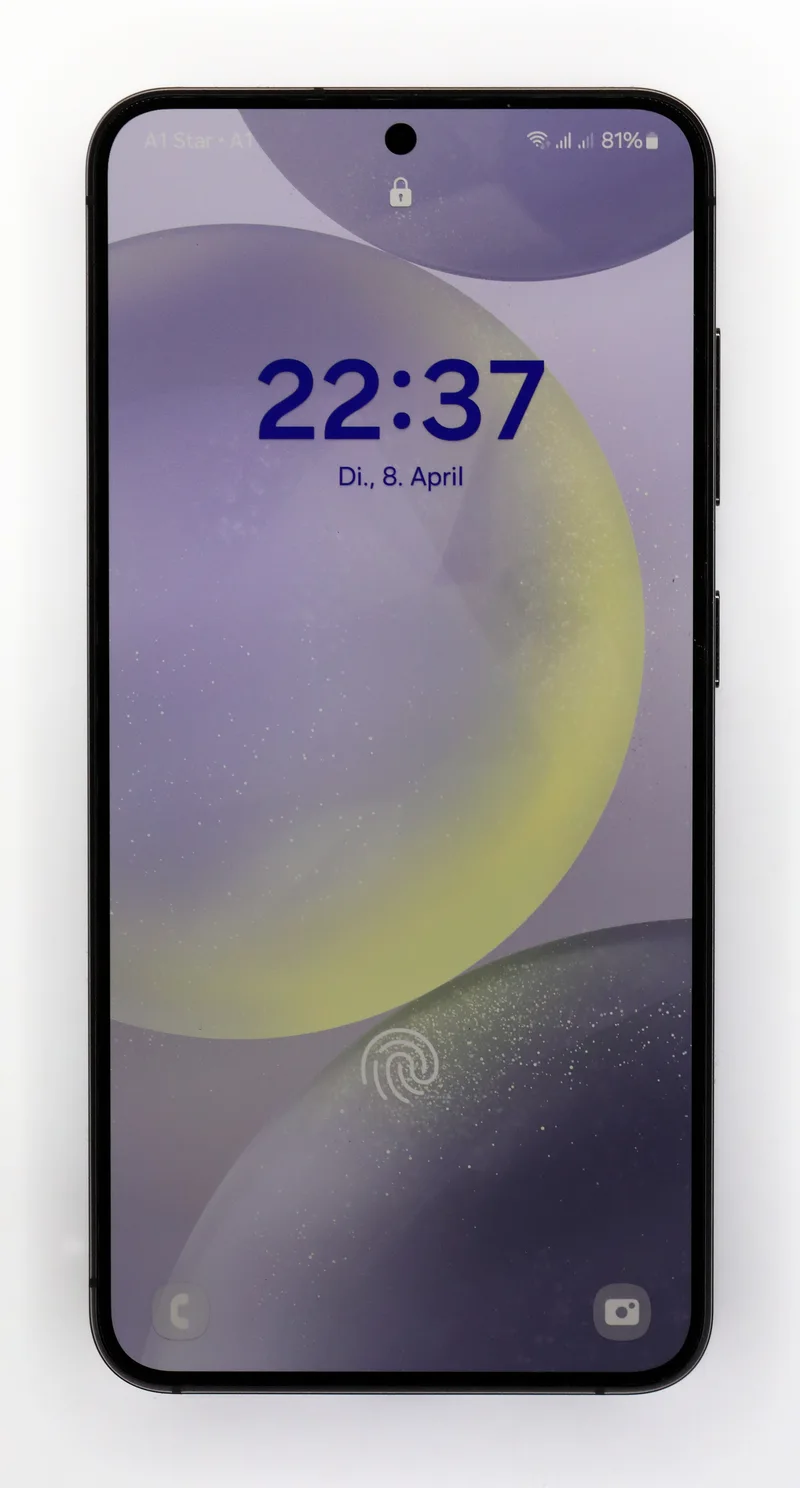
The Galaxy S24 arrived in January 2024 as Samsung's most software-driven flagship launch in years, built around a suite of on-device and cloud "Galaxy AI" features that Samsung promised would define the phone's identity more than any single spec bump. Two years and change later, with that AI framing having become standard across the entire industry, it's a good moment to ask what actually mattered from that launch and what turned out to be marketing noise.
The Chip Has Held Up Well
Depending on region, the S24 shipped with either the Snapdragon 8 Gen 3 for Galaxy or an Exynos 2400, and in practice both variants remain capable performers in 2026. Day-to-day app performance, gaming, and multitasking all still feel current rather than dated, which says as much about how incremental recent flagship chip generations have been as it does about the S24's specific silicon. Buyers picking up a used S24 today shouldn't expect to feel like they're using noticeably outdated hardware.
Galaxy AI: What Actually Stuck
Of the AI features Samsung launched the S24 around, a handful have genuinely proven useful over time — live call translation and the photo editing tools like Generative Edit remain regularly used features rather than launch-day gimmicks. Others, like some of the more elaborate note-summarization tools, have been quietly iterated on or de-emphasized as Samsung's broader AI strategy evolved across its lineup. The honest assessment two years on is that Galaxy AI was a real, if uneven, differentiator — not the total reinvention the launch marketing implied, but not vaporware either.
Display Quality Remains Excellent
The 6.2-inch Dynamic AMOLED 2X panel at 120Hz was excellent at launch and remains so in 2026 — Samsung's OLED expertise means this display hasn't been meaningfully surpassed by anything at a comparable size, even as competing phones have pushed brightness and refresh-rate figures further. For anyone using an S24 today, the screen is unlikely to be the part of the phone that feels behind the times.
Camera System: Aging Gracefully
The 50MP main, 12MP ultrawide, and 10MP 3x telephoto combination continues to produce reliable, well-processed photos across a wide range of lighting conditions. Samsung's processing has always leaned toward punchier, more saturated output than Apple's more neutral approach, and that house style hasn't changed — if anything, two years of software updates have refined it further rather than diminishing it. The 3x optical zoom range, modest by the standards of Samsung's own Ultra line, still comfortably outperforms phones with no telephoto lens at all.
Battery and Charging: The Weakest Link
If there's one area where the S24 shows its two years, it's battery longevity — the 4000mAh cell was never class-leading even at launch, and normal degradation over two years of charge cycles has made battery anxiety a more common complaint among long-term owners than it was in year one. The 25W wired charging speed, already modest against Chinese competitors' 65W-plus standards in 2024, looks even more dated in 2026 as fast charging has become a more consistent expectation across price tiers.
Software Support: Samsung's Real Strength
Samsung's commitment to extended software updates has been the S24's quiet superpower. Owners are still receiving current One UI versions and security patches on a schedule that rivals Apple's, a genuine shift from Samsung's update reputation a decade ago. That update runway is a meaningful part of why the S24 remains a defensible purchase on the used market in 2026 rather than a phone buyers should actively avoid.
How It Compares to Samsung's Own Lineup
Against Samsung's own more affordable phones, the S24's remaining advantages are clearer than ever — our Galaxy S24 vs Galaxy A54 comparison lays out exactly where that $350 premium goes, and two years on, the gap in display refresh consistency, chip performance headroom, and camera zoom range still justifies the price difference for buyers who use those features regularly.
Against the Rest of the 2024 Flagship Class
The S24 also holds its own against other phones from its own generation. Readers weighing a used S24 against Google's contemporary flagship should look at our Pixel 8 Pro vs Galaxy S24 comparison, which remains a useful reference for the two very different AI-camera philosophies both companies were pursuing at the same moment in time.
Is It Still Worth Buying in 2026?
For buyers specifically hunting a well-supported, still-fast Android flagship at a discount, a used or refurbished Galaxy S24 remains a reasonable pick in 2026 — the display, chip, and camera system have all aged well, and Samsung's update commitment means the software experience won't feel stale. The one genuine caution is battery health: any buyer considering a used unit should specifically ask about battery condition, since that's the one component two years of ownership visibly wears down.
Accessory and Case Ecosystem, Two Years On
One underrated advantage of buying a phone two years after launch is accessory maturity — the S24's case, screen protector, and third-party charger ecosystem is now fully mature, with prices on quality accessories having dropped substantially since launch as newer Galaxy models have taken over the spotlight. Buyers picking up a used or discounted S24 today benefit from a wider, cheaper accessory selection than early adopters had on day one.
Repair Costs and Long-Term Ownership
Samsung's authorized repair network has had two full years to build up parts inventory and technician familiarity with the S24's internals, which in practice means screen and battery replacements are both more available and more predictably priced than they were in the phone's first several months on the market. For buyers planning to own a used S24 for several more years, that repair infrastructure maturity is a genuine practical benefit that's easy to overlook next to headline specs.
Verdict
Two years after launch, the Galaxy S24 looks like a phone whose fundamentals — display, chip, camera, and software support — have aged well, while its always-modest battery capacity has become its clearest weak point with time. The AI features that defined its launch marketing turned out to be a genuine, if partial, differentiator rather than either a total gimmick or a total reinvention. For value-focused buyers today, it remains a solid, currently-supported flagship at a meaningfully discounted price.