Xiaomi 14, One Year Later: Does It Still Hold Up?
A year after launch, with pricing down and a successor already shipping, here's an honest look at how well the Xiaomi 14 has aged.
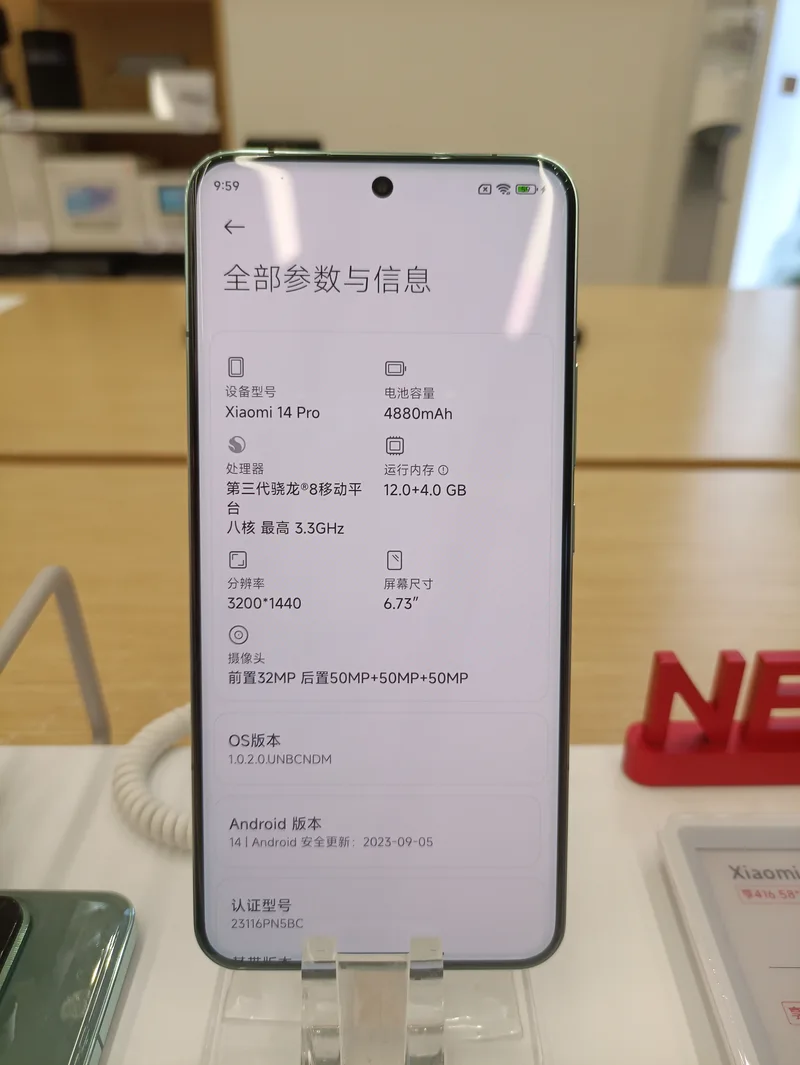
The Xiaomi 14 launched as one of the most confident flagship statements Xiaomi has ever made — a genuinely compact true flagship, Leica-tuned cameras, and pricing that undercut Samsung and Apple while matching or beating them on paper. A year on, with a successor generation now shipping and the initial hype settled, it's worth asking the question that actually matters to anyone considering buying one today, likely at a meaningfully discounted price: does it still hold up?
The Cameras Have Aged Well
This is the easiest part of the retrospective to answer, and the answer is yes, decisively. The Leica-tuned 50MP triple camera system that impressed reviewers at launch hasn't been meaningfully leapfrogged by anything at the same price tier since. The natural, restrained color science that distinguished the Xiaomi 14 from oversaturated Android competitors at launch still holds up against phones released well over a year later — Leica's involvement in tuning, not just branding, continues to be the differentiator Xiaomi's marketing claimed it would be. Software updates over the past year have also brought incremental computational photography improvements, particularly in low-light night mode processing, without Xiaomi needing new hardware to deliver them.
HyperOS: A Rocky Rollout That Eventually Paid Off
The Xiaomi 14 was among the first phones to receive Xiaomi's HyperOS, the successor to the long-running MIUI skin, and the transition wasn't entirely smooth. Early builds carried over some of MIUI's reputation for aggressive notification management and occasional inconsistency in third-party app behavior, both frustrations longtime Xiaomi owners were hoping a full OS rebrand would meaningfully fix from day one. A year of subsequent updates has ironed out most of the rough edges reviewers flagged at launch, and HyperOS today feels considerably more polished and less cluttered than MIUI did at its peak, even if it's still busier and more customization-heavy than closer-to-stock alternatives on rival flagships, a contrast our earlier Xiaomi 14 vs Galaxy S24 comparison covered in more depth at launch.
Performance: Still Comfortably Fast
The Snapdragon 8 Gen 3 inside the Xiaomi 14 was the newest, fastest mobile chip available at launch, and while Qualcomm and MediaTek have both shipped newer silicon since, the practical gap in day-to-day use remains small. Games, multitasking, and camera processing all still feel fast a year later — this is a phone that was never going to feel dated after twelve months, and it doesn't. The 90W wired charging that impressed at launch also remains genuinely competitive against newer flagships released since, a reminder that Xiaomi's charging technology lead over Samsung and Apple specifically hasn't been eroded much by the passage of time.
The Availability Problem Never Went Away
The single biggest complaint about the Xiaomi 14 at launch was Western availability, and that hasn't changed in the year since. It's still not sold through official channels in the US, and UK and European buyers still generally need to source it through Xiaomi's direct online storefronts or third-party importers rather than mainstream carrier retail — a friction point that continues to push otherwise-interested buyers toward a Galaxy S24 or other more readily available flagship purely on convenience, regardless of which phone is actually the better piece of hardware. Our original look at overlooked flagship imports covers this exact dynamic across multiple Xiaomi and Sony phones, and little has changed on that front in the past year.
Price: Where the Xiaomi 14 Makes the Most Sense Today
This is where the retrospective case for buying one now gets genuinely strong. A year after launch, street and import pricing on the Xiaomi 14 has dropped meaningfully below its original ask, while the camera system, performance, and build quality haven't aged in any way that matters. Buying a Xiaomi 14 today, at a discount, for hardware that still competes with phones released well after it, is a considerably better value proposition than it was at full launch price — the classic case for buying a flagship a year into its life cycle rather than on day one, once initial pricing has softened and most of the software rough edges have been patched out. Compared directly against its closest sibling rival, our Magic6 Pro vs Xiaomi 14 comparison remains a useful read for anyone weighing both at today's discounted prices.
What's Changed in the Broader Market Since Launch
The flagship landscape a year on looks noticeably more crowded at Xiaomi's original price point than it did at launch. Samsung and Google have both continued iterating on AI-driven camera software, and newer HONOR and Xiaomi models have pushed periscope zoom and silicon-carbon battery capacity further than the Xiaomi 14 offers. None of that makes the Xiaomi 14 worse than it was — it makes the case for buying it at a discount rather than at full price considerably stronger, since the phones that have genuinely leapfrogged it on paper mostly did so at even higher price points than Xiaomi originally charged. Judged against current mid-cycle pricing rather than its original launch price, the Xiaomi 14 holds up as a value proposition far better than it does as a pure spec-sheet contender against 2026's newest releases.
Battery chemistry is one area where the broader market has genuinely moved past the Xiaomi 14: newer flagships from HONOR and others have adopted silicon-carbon cells that pack more capacity into the same physical volume, a shift the Xiaomi 14's more conventional battery doesn't benefit from. It's a real, measurable gap for buyers who prioritize maximum screen-on time above all else, though the 90W charging speed advantage narrows the practical impact of that gap for most daily routines.
Verdict: Still a Smart Buy, With One Caveat
The Xiaomi 14 has aged better than most flagships released the same year — the cameras remain genuinely excellent, performance hasn't fallen behind in any way that matters day to day, and HyperOS has matured into a considerably more polished experience than it launched with. The one caveat that hasn't improved at all is availability: if you're not comfortable importing a phone and navigating warranty support independently, this remains a harder recommendation than a Galaxy or Pixel equivalent, regardless of price. For buyers who are willing to deal with that friction, though, a discounted Xiaomi 14 a year on is one of the stronger value flagship buys available right now. Read our complete Xiaomi 14 verdict for the full original review.