Xiaomi 14 vs Sony Xperia 1 V: The Flagships Western Buyers Overlook
Two opinionated flagships rarely compared to each other, from a compact powerhouse to a filmmaker-tuned camera phone.
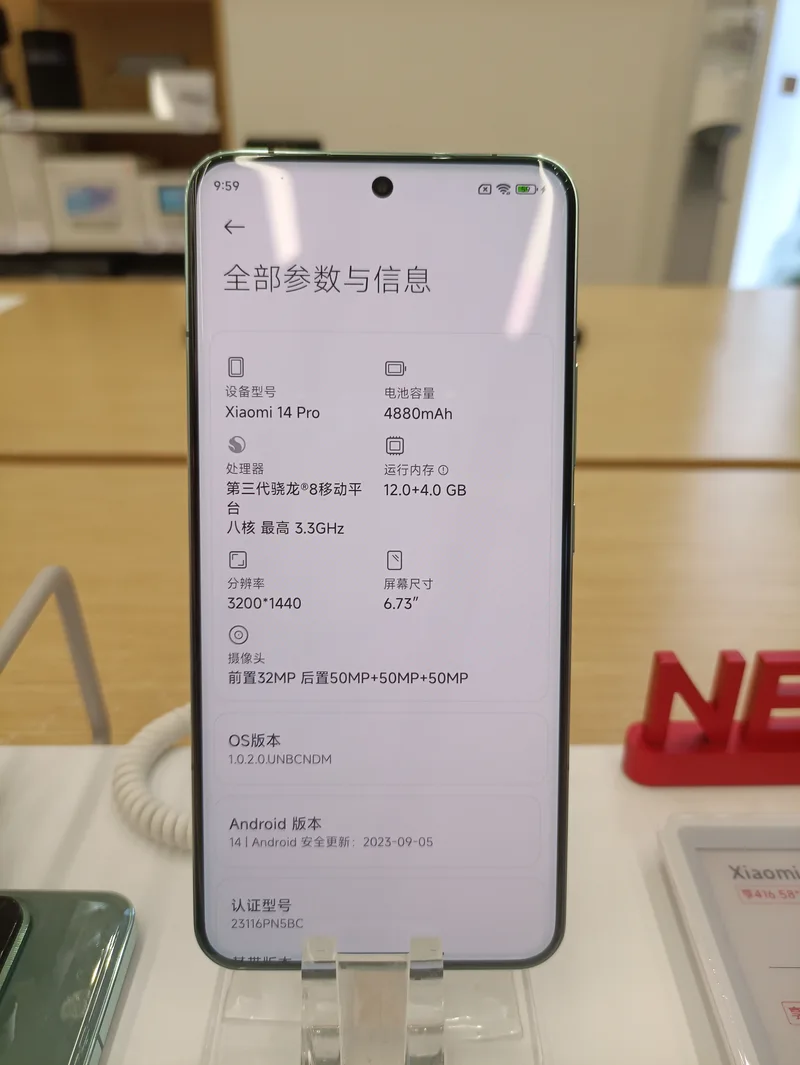
Xiaomi 14 and Sony Xperia 1 V rarely show up in the same "best phones" lists that dominate US tech coverage, mostly because neither is officially sold through US carriers. But both are genuine flagship-tier devices with distinct, opinionated designs that stand apart from the iPhone-and-Galaxy-S-series consensus most buyers default to — and for anyone willing to import or who lives somewhere they're sold directly, they're worth a serious look.
Xiaomi 14: the compact flagship nobody else is making
At 6.36 inches, the Xiaomi 14 is noticeably smaller than nearly every other current flagship, most of which have settled around 6.7-6.8 inches. Xiaomi paired that compact body with genuinely flagship internals rather than treating small size as an excuse to cut corners: a Snapdragon 8 Gen 3 chip, up to 16GB of RAM, and a camera system co-tuned with Leica featuring a 50MP main, 50MP ultrawide, and 50MP telephoto with 3.2x optical zoom. The Leica partnership isn't just a badge — it shapes the color science and default processing style toward a more neutral, less oversaturated look than Xiaomi's own camera software used before the partnership.
Charging is where the Xiaomi 14 genuinely leads the entire flagship market: 90W wired charging takes the phone from empty to full in around 30 minutes, and 50W wireless charging is faster than many competitors' wired speeds. Battery capacity itself, at 4610mAh, is unremarkable on paper, but the charging speed means low battery is rarely a real inconvenience the way it is on slower-charging phones with nominally bigger batteries.
Xperia 1 V: the phone for people who care about video and audio
Sony builds the Xperia 1 V for a narrower, more specific audience than Xiaomi's compact-flagship pitch: content creators and audio/video enthusiasts who want a phone that behaves more like dedicated camera and audio hardware. The 4K HDR OLED display runs at a 21:9 cinematic aspect ratio matched to Sony's film and TV production heritage, and the camera app includes a genuine variable aperture lens (f/1.7 to f/2.8) on the main sensor — a feature borrowed directly from Sony's Alpha mirrorless camera lineup and essentially unique to this phone among current flagships.
The Xperia 1 V is also one of the last flagship phones sold anywhere with both a 3.5mm headphone jack and a microSD card slot, two features nearly every other manufacturer has abandoned in the name of thinner designs and forced cloud storage upsells. For anyone with an existing collection of wired headphones or who needs local expandable storage for large 4K video files, that alone can be the deciding factor regardless of how the rest of the spec sheet compares.
Camera philosophy: breadth versus specialization
The Xiaomi 14's Leica-tuned triple camera is built for photography as most people practice it — general-purpose shooting across main, ultrawide, and moderate telephoto ranges, tuned for pleasing JPEGs straight out of the camera app. The Xperia 1 V's camera is built for people who want manual control: Sony ships a dedicated Photography Pro app modeled on Alpha camera menus, with manual exposure, shutter priority, and RAW capture as first-class features rather than a buried "pro mode" toggle.
Neither approach is objectively better — they're built for different users. Someone who wants to point, shoot, and post will get better results faster from the Xiaomi 14. Someone who already shoots RAW on a dedicated camera and wants that same control in their pocket will find the Xperia 1 V's manual tools far more capable, even if the out-of-camera JPEG quality doesn't win as many casual side-by-side comparisons.
Build quality and durability
Both phones carry IP68 ratings for dust and water resistance, though the Xperia 1 V's rating is technically listed as IP65/IP68, reflecting Sony's slightly different testing methodology rather than a meaningfully weaker seal in practice. Materials tell a similar "premium but different" story: the Xiaomi 14 uses an aluminum frame with either a ceramic or glass back depending on the color/finish chosen at purchase, with ceramic being notably more scratch- and shatter-resistant than glass at the cost of extra weight. The Xperia 1 V sticks with Gorilla Glass Victus 2 on an aluminum frame, Sony's standard approach across recent Xperia generations.
Where the two diverge most is overall ergonomics relative to their screen size. The Xperia 1 V's 21:9 aspect ratio makes it unusually tall and narrow for its diagonal measurement, which some users find easier to grip one-handed than a "normal" 19.5:9 phone of similar screen area, while others find the extra length awkward in tight pockets. The Xiaomi 14's more conventional proportions at a smaller overall size make it the more universally comfortable one-handed phone of the two, without the acquired-taste factor of Sony's aspect ratio choice.
Software support and update policy
Neither manufacturer matches Google or Samsung's update commitments on flagship phones. Xiaomi has historically offered three to four years of Android version updates on flagship devices with security patches extending somewhat longer, delivered through its HyperOS skin (the successor to MIUI as of the Xiaomi 14's launch generation). Sony's update track record on the Xperia 1 series has been roughly comparable — typically two to three major Android version bumps — with software updates arriving on a slower, less predictable schedule than Samsung or Google ship on their own flagships.
For buyers used to Pixel-level seven-year support commitments, both of these phones represent a step down in long-term software longevity, which is worth weighing against their hardware specialization if you plan to keep either phone much beyond three years.
The practical reality: availability and price
Both phones sit in the $1,000-1,400 range depending on storage configuration and region, and both require more effort to buy than a mainstream flagship in most Western markets. The Xiaomi 14 has broader unofficial import support and a larger global user base to draw troubleshooting help from; the Xperia 1 V has Sony's direct European retail presence but very limited US availability, generally through import sellers at a premium over its home-market price.
If you're comparing these two seriously, you've likely already ruled out mainstream options for specific reasons — compact size, camera manual controls, a headphone jack — and the right choice comes down to which of those specific reasons matters more to you, not which phone wins a generic spec comparison.
For a look at how a more mainstream but similarly specialized camera phone performs, see our standalone Xperia 1 V review, and if compact size matters more than camera specialization, our iPhone SE comparison covers Apple's take on the small-flagship idea.