OnePlus 13 Verdict: A Huge Battery, Fast Charging and Three 50MP Cameras
OnePlus builds its 2025 flagship around a 6000mAh silicon-carbon battery and 100W charging, then backs it with a top-tier chip and a matched trio of 50MP cameras.
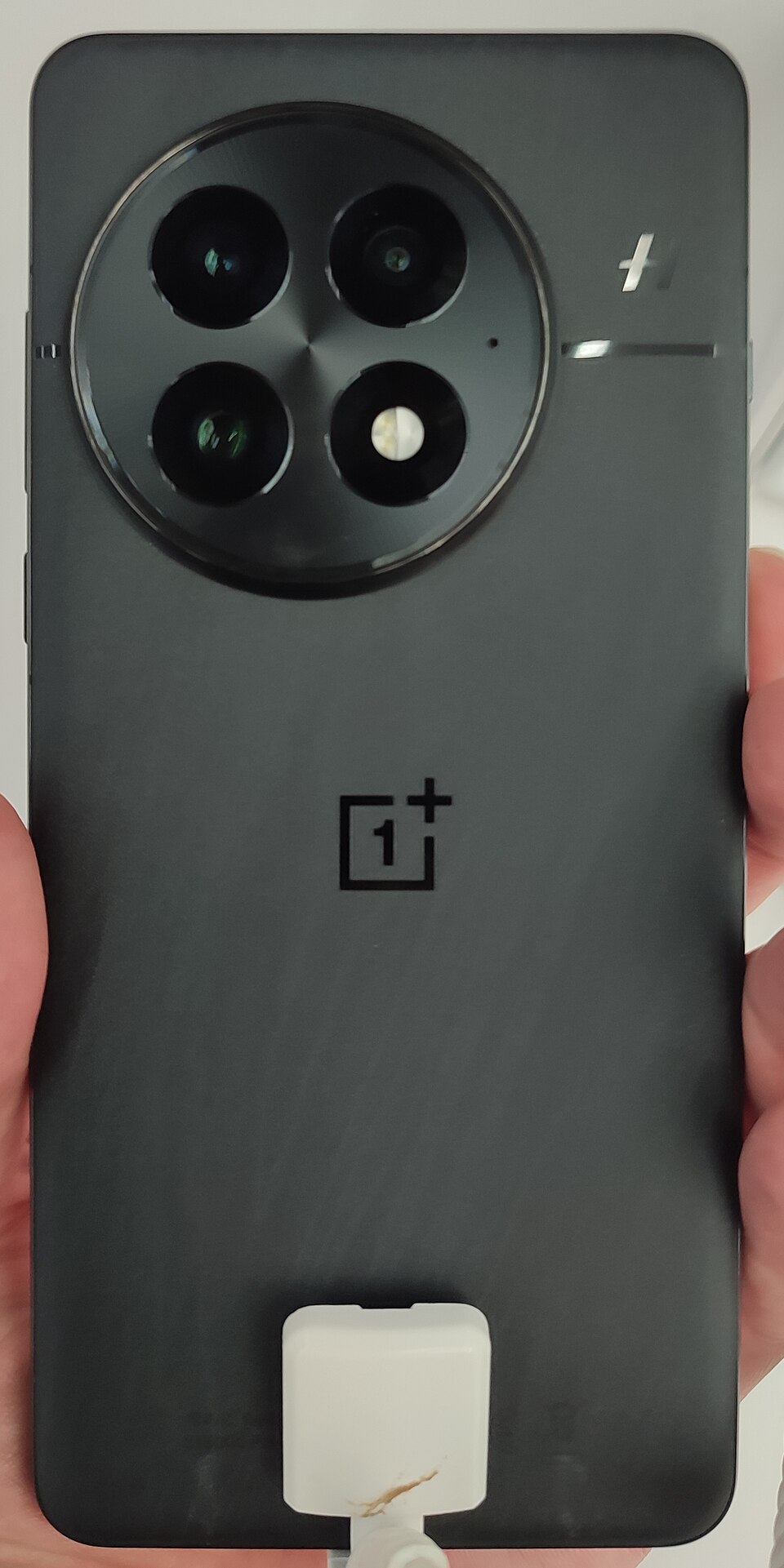
The OnePlus 13 is a phone with a clear thesis: a flagship should not force you to plan your day around a charger. Announced on October 31, 2024, released in China a day later and sold internationally from January 7, 2025, it succeeds the OnePlus 12 and puts its weight behind three ideas: a very large battery, very fast charging, and a camera system where every lens carries a 50MP sensor. This verdict works through each of those claims using the manufacturer's published specification, and asks what kind of person will actually feel the benefit.
The battery is the headline
The OnePlus 13 carries a 6000mAh battery built with silicon-carbon chemistry. That matters for a specific reason. Silicon-carbon cells store more energy per unit of volume than the graphite-based lithium-ion cells found in most phones, so a maker can raise capacity without making the phone thicker. OnePlus used that headroom to fit the biggest battery it has ever shipped while keeping the body between 8.5mm and 8.9mm thick, depending on the version. For comparison, our own Galaxy S24 page lists a 4000mAh cell and the Xiaomi 14 lists 4610mAh, so this is a very different starting point.
We do not run our own endurance tests, so we will not put a number of hours on it. What the specification does tell you is the raw capacity and the charging plan around it, and both point the same way. If you routinely finish the day with a phone in the red, this is the sort of hardware that should change that habit. If you already get comfortably through a day, the upside is more about travel days, long gaming sessions and the confidence of not hunting for a socket.
Charging: fast wired, conditional wireless
Wired charging is rated at 100W, and OnePlus quotes a full charge in 36 minutes for the international model. Wireless charging reaches 50W, but there is a catch worth understanding before you buy. The quoted 50W speed applies to OnePlus's AirVOOC charger, and the magnetic version of the 50W charger works when the phone wears a magnetic case. In both cases the stated time for a full charge is 75 minutes. So the feature is real and quick, yet it is tied to a specific accessory rather than any Qi pad you already own. If wireless charging is central to how you live with a phone, budget for the right charger. If you charge with a cable, you get the fast half of the story without any extra spending, provided you use a compatible 100W-class charger. For more background on how charging speeds shape daily use, browse our charging coverage.
Display: sharp, bright and flat
The screen is a 6.82-inch LTPO AMOLED panel with a 1440 x 3168 resolution and a 120Hz refresh rate. LTPO means the refresh rate can scale down when the content is still, which helps efficiency. The panel supports Dolby Vision and HDR10+, lists a typical brightness of 800 nits, a high-brightness mode of 1600 nits and a peak of 4500 nits, and is covered in what OnePlus calls Crystal Shield super-ceramic glass. Numbers like these describe a display built for bright outdoor use and HDR video, though as with any peak-brightness figure, the peak only applies to small highlights for short periods.
One design change is easy to appreciate. Where the OnePlus 12 had curved sides, the OnePlus 13 has flat sides. Flat edges make the phone easier to hold in a case, reduce accidental touches at the rim and tend to look tidier in screen protectors. It is a matter of taste, but it is the direction most of the market has moved.
Performance and memory
Inside is the Snapdragon 8 Elite, built on a 3nm process, with an octa-core CPU whose two prime cores run at up to 4.32GHz, plus an Adreno 830 GPU and a Snapdragon X80 modem. Memory and storage come in four combinations: 12GB with 256GB, 12GB with 512GB, 16GB with 512GB, and 24GB with 1TB, all using UFS 4.0 storage. The pairing is deliberate, so you cannot mix a small drive with the largest RAM option.
For most people the 12GB configurations are already generous. The 24GB model is a statement piece for anyone who keeps a great many apps alive in the background or wants headroom for years of software growth. Connectivity is current: Wi-Fi 7, Bluetooth 5.4 with aptX HD and LHDC 5 support, NFC and multi-constellation satellite positioning that includes dual-band GPS. It also carries an IP68 and IP69 rating, meaning protection against submersion up to 1.5 metres for 30 minutes, and against high-pressure hot water jets. The IP69 part is the notable addition, since it goes beyond the IP68 rating alone, and it is a genuine practical advantage for people who use their phone in the kitchen, at the beach or in the rain.
Cameras: consistency is the plan
The rear system is three 50MP cameras. The main camera uses a large 1/1.4-inch class sensor with an f/1.6 lens and optical stabilisation. The telephoto is a periscope design with 3x optical zoom, a 1/1.95-inch sensor, f/2.6 aperture and stabilisation of its own. The ultrawide has a 120 degree field of view and f/2.0 aperture. The front camera is 32MP. Having three sensors of the same resolution makes it easier for software to keep colour and detail consistent when you switch lenses, which is where many phones with a great main camera and a weak secondary lens slip up.
A 3x telephoto is a practical focal length for portraits and everyday framing, though anyone who wants very distant subjects will find longer zoom lenses on some competing phones. On the other side of the equation, the ultrawide is not an afterthought at 50MP, which should help when you crop into a wide scene. We have not compared image output side by side, so we make no claim about who wins in a given lighting condition. What we can say is that the hardware plan is balanced and the OIS coverage on both the main and telephoto lenses is what you want for low light and video. If camera flexibility is your top priority, our Pixel 8 Pro page shows another approach, with its own 5x telephoto.
Software and long-term support
The phone ships with Android 15 and OxygenOS 15 internationally, and OxygenOS 16, based on Android 16, was later released for it. OnePlus promises four major Android updates and six years of security patches. That is a solid commitment for a phone that many owners will keep for several years, although it is shorter than the seven-year pledge Samsung makes on its recent flagships, as you can see in our Galaxy S24 verdict. The practical takeaway is that you can expect a supported phone through most of its useful life, but not quite as long as the most generous rivals.
Who should buy it
The OnePlus 13 suits people who value battery and charging speed above all, want a large screen and dislike compromise in the camera lineup. It is also a good fit for those who like their flagship to have real water protection and lots of RAM. It is less compelling if you need compact dimensions, since the listed weight is 210g or 213g depending on the version, or if you want the longest software support on the market. If you are weighing it against foldables, read our piece on whether a flip phone is worth it in 2026 to see the trade-offs of a different form factor. You can also explore our wider verdict archive to see how it stacks up against other flagships on paper.
Summing up, the OnePlus 13 earns an 8.6 because its specification sheet is coherent. The battery is very large, charging is fast, the chip is current, the camera trio is even and the durability rating is high. The points we hold back are about accessories, weight and update length rather than any fundamental weakness. Prices vary by market and configuration, so check the current price before you decide. As a spec-led flagship, it is one of the strongest cases for putting endurance first.
Pros
- 6000mAh silicon-carbon battery is the largest OnePlus has put in a phone
- 100W wired charging, with a stated 36 minutes for a full charge
- Three 50MP rear cameras, including a 3x periscope telephoto
- Snapdragon 8 Elite with up to 24GB of RAM on the top tier
- IP68 and IP69 water and dust ratings
- Four Android updates and six years of security patches promised
Cons
- Wireless charging at 50W needs OnePlus's own charger, and full speed also calls for a magnetic case
- The 6.82" body is large and weighs 210g to 213g depending on version
- Telephoto tops out at 3x, shorter than the longest zoom lenses in this class
- Headline update promise is shorter than the seven years some rivals advertise