iPhone 17 Verdict: The Standard iPhone Finally Catches Up
Apple finally ships a 120Hz display and two real 48MP rear cameras on the standard model, closing the gap with the Pro line more than any iPhone update in years.
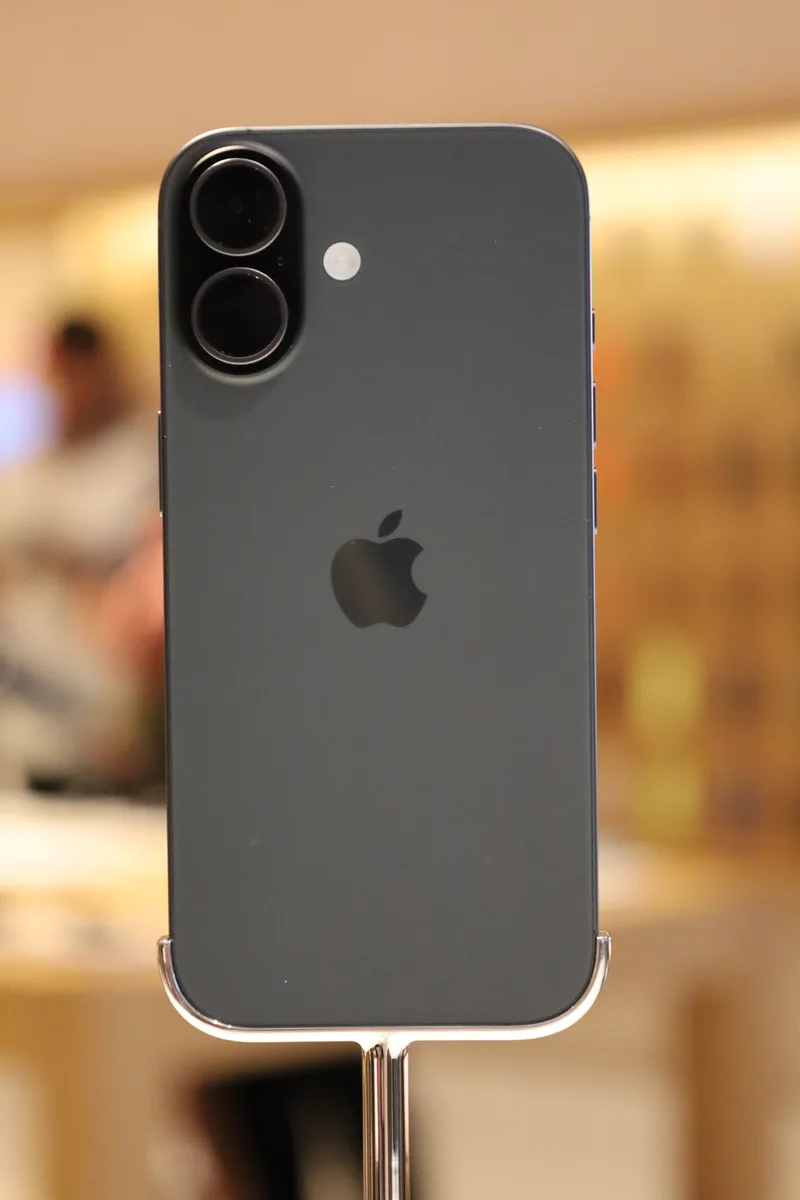
Apple has spent the last few iPhone generations trimming the gap between the standard model and the Pro line, and the iPhone 17 is the year that gap nearly closes for the two things most people actually complain about: the screen and the cameras. After using it as a daily driver, the story here isn't a single headline feature — it's Apple finally admitting that a 60Hz display and a single useful rear lens were compromises nobody asked to keep making on an $800 phone.
Design and Display: The 120Hz Wait Is Over
The biggest practical change is also the simplest to describe: the iPhone 17 finally ships with a 120Hz ProMotion display on the standard model, something Apple had reserved for Pro buyers since the feature debuted. It sounds like a small thing until you actually use it next to an older iPhone — scrolling through Safari, swiping between home screens, and typing on the keyboard all feel noticeably smoother, and once you notice it, going back to a 60Hz panel feels like watching a video with dropped frames. The 6.3-inch Super Retina XDR panel is also brighter than its predecessor, rated for 3000 nits of peak outdoor brightness, which matters more than the refresh rate bump for anyone who reads their phone in direct sunlight.
Apple carried over the Dynamic Island from the past few generations rather than reinventing it, and at this point it's a mature, useful piece of interface design — Live Activities for sports scores, delivery tracking, and timers all dock there without feeling like a gimmick. The body itself uses an aluminum unibody frame with a Ceramic Shield 2 front panel that Apple claims is meaningfully more scratch-resistant than the previous glass, though our review unit picked up the usual fine micro-scratches after a few weeks in a pocket with keys, same as every generation before it.
A19 Performance: Headroom You Won't Need for Years
The A19 chip is built on a third-generation 3-nanometer process, and in practice it means the iPhone 17 has no business struggling with anything a normal user throws at it — multitasking, gaming, or the increasingly heavy on-device AI processing that iOS 26 leans on all run without a hint of thermal throttling during typical use. Apple also added a new N1 networking chip designed in-house, which handles Wi-Fi and Bluetooth radio duties instead of relying entirely on third-party silicon; in day-to-day use this mostly shows up as slightly more consistent Wi-Fi handoff between rooms rather than anything dramatic. Benchmarks aside, the real-world takeaway is that this chip has enough headroom that software updates for the next several years shouldn't meaningfully slow this phone down, which has historically been one of Apple's strongest arguments for buying an iPhone in the first place.
Cameras: Two Real 48MP Lenses, Finally
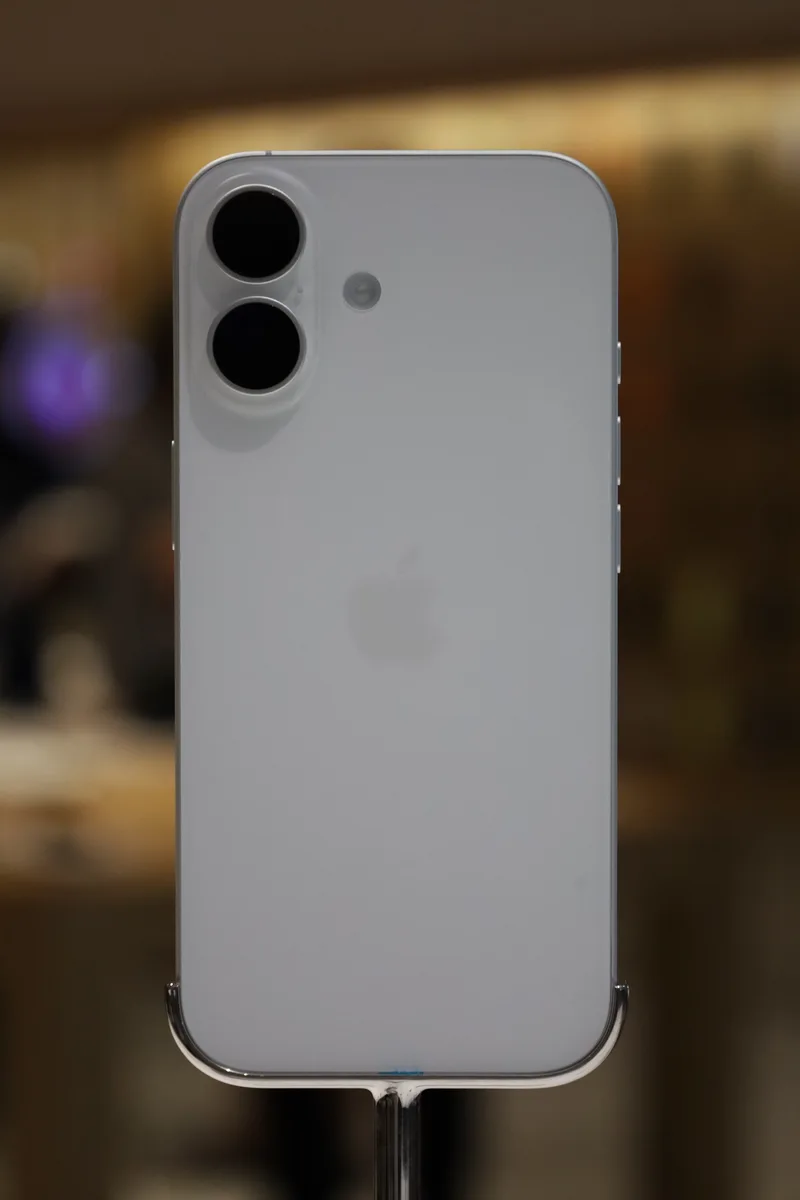
Camera hardware is where the iPhone 17 makes its most meaningful jump. Both rear lenses are now 48-megapixel Fusion sensors — the main wide and the ultra-wide — replacing a setup where the ultra-wide lagged noticeably behind in resolution and detail. In practice, ultra-wide shots that used to look visibly softer and noisier than the main camera's output now hold up much better in side-by-side comparisons, especially in daylight. Apple continues to use sensor cropping rather than a dedicated telephoto lens to deliver a 2x "optical-quality" zoom, and while it's genuinely usable for portraits and everyday framing, it's still not a substitute for a true telephoto lens with its own optics — something the Pro models still offer and the standard iPhone doesn't.
The front camera gets a real functional upgrade too: an 18MP Center Stage sensor with Dual Capture, which can record from the front and rear cameras simultaneously — useful for reaction videos or capturing yourself alongside whatever you're filming, a feature that's been a minor cottage industry on Android phones for a while and that Apple has finally brought over. Low-light photography across the board benefits from Apple's continued computational photography refinements rather than any single hardware leap, and it remains one of the most dependable point-and-shoot camera experiences on the market, even if it's no longer the clear best-in-class option once you start comparing crops against rivals with dedicated telephoto glass.
Battery, Charging, and the One Real Compromise
Apple doesn't publish raw battery capacity prominently, but the iPhone 17 is rated for up to 30 hours of video playback, a real improvement over the outgoing model that translates to comfortably getting through a full day of mixed use — camera, messaging, social media, a couple of calls — without needing a top-up. Where Apple still lags the rest of the industry is charging speed: the iPhone 17 reaches 50% in about 20 minutes, but only with a 40W-or-higher adapter that Apple doesn't include in the box, and that figure is still slower than the wired charging speeds several Android flagships have offered for multiple generations now. MagSafe and Qi2 wireless charging are both supported, which is convenient for topping up on a desk or nightstand, but if fast wired charging is a priority, this remains an area where Apple simply isn't competing on the same terms as Samsung or Xiaomi.
Software and the iOS 26 Question
The iPhone 17 ships with iOS 26, and the software experience is where Apple's ecosystem argument continues to do a lot of heavy lifting — Apple Intelligence features are more deeply woven into system apps than in previous releases, though how useful any of that feels day to day still depends heavily on which Apple services you already use. What's not in question is update longevity: Apple's track record of supporting iPhones with major OS updates for five-plus years remains the best in the industry, and it's a genuine reason the resale value on iPhones tends to hold up better than most Android competitors, a pattern we broke down in more detail when ranking resale value across our full lineup.
Verdict: The iPhone Apple Should Have Shipped Two Years Ago
Judged purely on its own merits, the iPhone 17 is an easy phone to recommend — it fixes the two biggest, most obvious compromises Apple had been asking standard-tier buyers to live with, and it does so without raising the base price at launch. Anyone still on an iPhone 13 or older will feel like they've skipped two generations at once. The harder case is for iPhone 15 or iPhone 16 owners, where the upgrade is real but incremental rather than transformative — you're paying for a smoother display and a genuinely better ultra-wide camera, not a reinvention. Compared against our iPhone 15 review, the generational jump here is larger than it's been in years, and it finally puts the standard iPhone on equal footing with rival Android flagships on the two specs that used to be its clearest weaknesses.
Related Reading
Pros
- 120Hz ProMotion display finally comes to the standard model
- Two genuine 48MP rear cameras deliver a real ultra-wide upgrade
- A19 chip has years of performance headroom
- Best-in-class multi-year software update support
Cons
- Wired charging is still capped at 40W and slow to reach
- No true telephoto lens — 2x zoom is still a sensor crop
- iPhone 15/16 owners won't find the upgrade transformative