How Sustainable Is Your Phone? Recycled Materials and Environmental Reporting Compared
Every manufacturer in our lineup talks about sustainability. We read the actual environmental reports to see which claims are backed by real, verifiable numbers — and which ones aren’t.
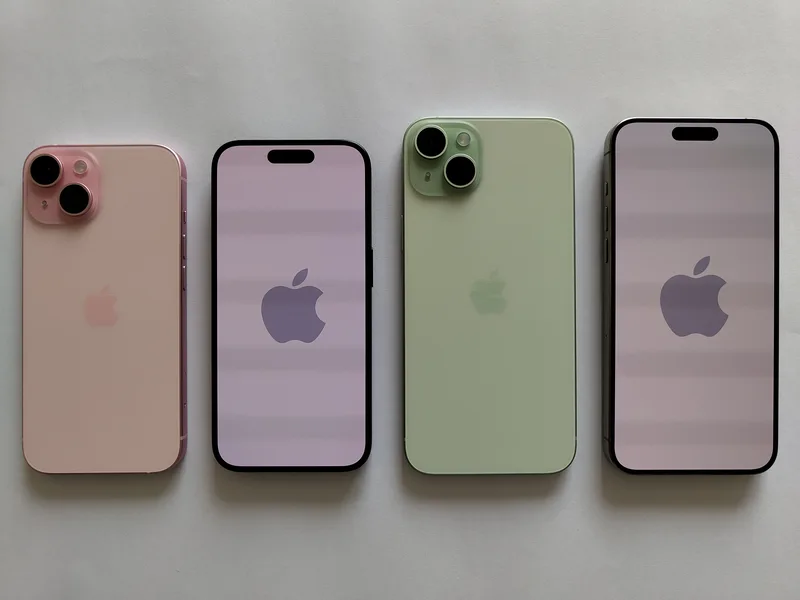
Every phone maker in our 11-phone lineup now publishes at least some form of environmental messaging — recycled aluminum, ocean-bound plastic, carbon-neutral shipping pledges — but the depth and honesty of that reporting varies enormously between brands, and almost nobody outside the sustainability-reporting world actually reads the underlying documents to check. We did, pulling from each manufacturer's own product environmental reports and sustainability disclosures to see which of these phones are backed by real, verifiable material claims and which are coasting on vague marketing language.
Apple: The Most Detailed Per-Device Reporting in the Industry
Apple publishes a dedicated Product Environmental Report for nearly every device it sells, and the iPhone 15 is a genuinely strong example of the practice: it ships with 100% recycled cobalt in its battery, 100% recycled gold plating in multiple components, 100% recycled rare earth elements in its magnets, and 100% recycled tin solder — figures pulled directly from Apple's own published filing rather than a marketing summary. That's a real jump from the iPhone 14, which shipped with 100% recycled gold and tin but hadn't yet reached the same cobalt and rare-earth figures, illustrating how quickly Apple's per-generation material sourcing has actually moved rather than merely stayed flat while the marketing language got more aggressive. The iPhone SE, as Apple's budget model built on older internals, inherits the company's baseline recycled-material commitments (tin solder, some recycled rare earths) without the newest flagship-tier figures — a real gap between Apple's cheapest and most expensive phones that its marketing rarely draws attention to.
Samsung: Ocean-Bound Plastic at Genuine Scale
The Galaxy S24 series is built around Samsung's ocean-bound plastic program — recycled polyamide pellets processed from discarded fishing nets and water barrels collected near coastlines — combined with recycled aluminum reclaimed from Samsung's own manufacturing scrap. Samsung's stated 2024 target was to recover roughly 110 metric tons of recycled aluminum and close to 100 metric tons of recycled plastic across the Galaxy S24 line, equivalent to about 10 million plastic bottles, and the retail packaging itself is 100% recycled paper. The Galaxy Z Flip5 and Galaxy A54 both predate the S24's most aggressive material push (they launched earlier in 2023, before Samsung's most detailed 2024 environmental reporting cycle), but they share the same baseline commitments Samsung has applied across the Galaxy lineup since 2022: recycled paper packaging and at least some ocean-bound plastic content in internal components.
Google: Recycled Aluminum, But a Generation Behind on Magnets
The Pixel 8 Pro's aluminum housing is 100% recycled, a change Google says cuts that component's carbon footprint by more than 35% versus using entirely new-mined aluminum, and its back glass panel is 67% recycled material. Where the Pixel 8 Pro falls a step behind its own successor is rare earth elements: Google introduced 100% recycled rare-earth magnets starting with the Pixel 9 generation, meaning the Pixel 8 Pro — the phone we actually reviewed — doesn't carry that particular claim yet, a useful reminder that a manufacturer's newest environmental milestone rarely applies retroactively to the phone already in your pocket, the same dynamic we found when comparing software update commitments across generations.
Nothing Phone (2): Small Company, Surprisingly Transparent Numbers
Nothing is the smallest manufacturer in this comparison, and also one of the most specific about its environmental impact: the company states the Phone (2) is built from roughly 20% recycled materials overall, with a mid-frame made entirely from 100% recycled aluminum and a main circuit board using 100% recycled copper foil, and it publishes an exact carbon-footprint figure — 53.45kg CO2e per unit — that's 8.6% lower than the original Phone (1). Packaging is plastic-free and made from more than 60% recycled fiber. Few manufacturers this size bother publishing a device-specific carbon number at all, and the transparency is a genuine point in Nothing's favor even setting aside the design story covered in our full Phone (2) verdict.
Sony: A Real Recycled-Plastic Technology, Under-Marketed
Sony's SORPLAS — Sustainable Oriented Recycled Plastic — is a proprietary recycled polycarbonate resin made from used water bottles and waste optical discs, engineered to match or exceed the strength of virgin plastic so it can be used in structural internal components rather than just cosmetic trim. Sony says adopting SORPLAS across Xperia internals has cut virgin plastic use in those parts by 27%, and the material can reportedly be recycled repeatedly without losing its mechanical properties. It's a genuinely interesting piece of materials engineering that Sony barely promotes outside of its own sustainability microsite — a pattern consistent with how the Xperia 1 V gets marketed almost entirely around its camera system rather than anything else about the phone.
Xiaomi and HONOR: Real Programs, Thinner Public Documentation
Xiaomi has moved more than 90% of its smartphone manufacturing to renewable energy sources according to its own ESG disclosures, and the company runs an active take-back and recycling program for old devices, but Xiaomi does not publish a granular, per-material breakdown for the Xiaomi 14 specifically the way Apple, Samsung, and Google do for their comparable flagships — the most detailed material-composition claims available are for other models in Xiaomi's broader lineup, not this exact phone. HONOR's public documentation is thinner still: the Magic6 Pro's headline sustainability story is almost entirely about its silicon-carbon battery chemistry (which allows a larger battery in a smaller physical footprint, indirectly reducing material use per unit of capacity) rather than any published recycled-content percentage for the phone's aluminum, plastic, or rare-earth components. That's not necessarily evidence of a worse actual environmental footprint — it's evidence of a much less transparent one, which matters if you're trying to make an informed purchase decision rather than just trusting brand reputation.
What Actually Moves the Needle: Longevity Over Materials
It's worth being honest about scale here: even the most aggressive recycled-content programs recover a small fraction of a phone's total material footprint, and the single biggest lever any manufacturer has over a device's lifetime environmental impact isn't the recycled percentage of its aluminum frame — it's how long the phone stays in active use before landfill. A phone with modest recycled-material claims but a seven-year software support commitment, like the Galaxy S24 or Pixel 8 Pro, plausibly has a lower lifetime environmental cost than a phone with impressive material sourcing but a two-year update window, because replacement cycles dwarf manufacturing-stage material differences. That's the same conclusion our repairability comparison reached from a different angle: a phone you can keep using and repairing beats a phone you're forced to replace, regardless of what either one's box was made from.
Verdict
Apple, Samsung, and Google currently publish the most detailed, verifiable, per-device environmental data of the manufacturers in our 11-phone lineup, with Nothing punching well above its size on transparency despite being the smallest company here. Xiaomi and HONOR almost certainly have real environmental programs behind their products, but their public reporting doesn't let a buyer verify the specifics the way Apple's, Samsung's, and Google's documentation does — and until that changes, recycled-material transparency itself is a legitimate factor separating these phones, independent of whatever their actual underlying footprints turn out to be.