Pixel 8 Pro vs Nothing Phone (2): Stock Android vs Nothing OS
Both promise a 'pure' Android experience with a twist. One leans on AI and computational photography; the other leans on transparent design and a lighting system. Here's how the philosophies actually differ.
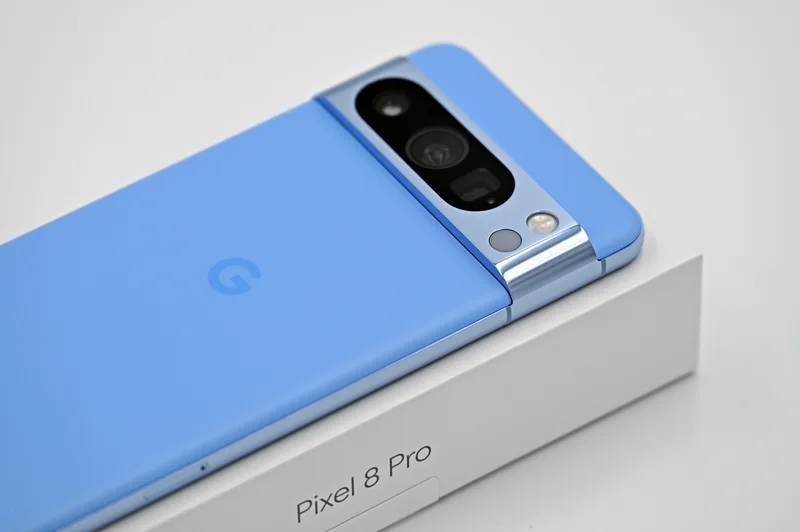
The Pixel 8 Pro and the Nothing Phone (2) are both frequently described as close-to-stock Android experiences, but they arrive at that description from opposite directions. Google builds its own AI-first Android layer on top of category-leading camera hardware; Nothing builds a stripped-down, dot-matrix-themed interface around a distinctive transparent design and its signature Glyph lighting. Both appeal to buyers tired of heavy manufacturer skins, but the phones underneath are genuinely different propositions once you look past the "clean Android" marketing on both sides.
Design: Transparency vs Restraint
Nothing's defining feature is its transparent glass back revealing internal components, paired with the Glyph interface — a set of LED strips that light up in customizable patterns for notifications, calls, and even a visual timer or charging progress. It's a genuinely distinctive look that either resonates immediately or reads as a gimmick, depending on the buyer. The Pixel 8 Pro takes the opposite approach: a matte aluminum frame, a polished camera bar that's become Google's signature design language, and a restrained, understated aesthetic that prioritizes a premium in-hand feel over visual novelty. Neither design is objectively better, but they signal very different priorities to anyone shopping by looks first.
Cameras: A Genuinely Unfair Fight
This is where the comparison stops being close. The Pixel 8 Pro's 50MP main, 48MP ultrawide, and 48MP telephoto (5x optical) system is widely regarded as one of the best camera setups on any phone, backed by Google's years of computational photography leadership — Magic Editor, Best Take, and industry-leading low-light performance all come standard. The Nothing Phone (2)'s 50MP main and 50MP ultrawide pairing is competent for a phone in its price range but doesn't come close to matching the Pixel's zoom range, low-light consistency, or software-driven editing tools. Anyone who prioritizes photography should treat this as close to a deciding factor on its own.
Performance: Flagship Silicon vs Upper-Midrange
Google's Tensor G3 in the Pixel 8 Pro is tuned more for AI and machine-learning workloads than raw benchmark scores, and it holds up well for everyday use, though it can run warm under sustained heavy load. The Nothing Phone (2)'s Snapdragon 8+ Gen 1 is actually a strong performer for its price tier — a flagship-class chip from the previous generation — and in pure benchmark terms it can match or exceed the Tensor G3 in some workloads, which is a genuinely impressive result for a phone that costs $400 less.
Software Experience: AI-First vs Minimalist
The Pixel 8 Pro ships with Google's most AI-forward software to date: call screening, Magic Eraser, Recorder transcription, and a genuine seven years of promised OS and security updates — the longest commitment in the Android space at launch. Nothing OS 2.0 on the Phone (2) is close to stock Android with a custom dot-matrix font and icon pack layered on top, and while it's refreshingly light on bloatware, Nothing's update commitment is considerably shorter and less proven over time than Google's. For buyers who want the absolute latest Android features first and a phone that stays current the longest, the Pixel 8 Pro is the clear winner; for buyers who want a clean, fast interface without caring as much about long-term software support, Nothing OS still delivers a genuinely pleasant daily experience.
Battery Life and Charging
The Nothing Phone (2)'s 4700mAh battery with 45W wired charging is respectable, but the Pixel 8 Pro's larger 5050mAh cell paired with 30W wired and 23W wireless charging generally delivers longer real-world screen-on time, helped by the Tensor G3's efficiency improvements over its predecessor. Neither phone is a standout in this category compared to the biggest-battery phones we've tested — see our full battery life ranking for how both stack up against the rest of the field — but the Pixel 8 Pro has a modest, consistent edge.
Price and Value
At $599, the Nothing Phone (2) undercuts the $999 Pixel 8 Pro by $400, and for buyers who don't need flagship camera performance, that's a substantial amount of money to put toward accessories, a case, or simply saved. The Pixel 8 Pro's price is easier to justify once you factor in its camera system and seven years of updates, both of which meaningfully extend the phone's useful life relative to its upfront cost.
Display and Build Quality
Both phones use a 120Hz OLED panel, though the Pixel 8 Pro's 6.7-inch LTPO display can drop as low as 1Hz for static content, squeezing out extra battery life the Nothing Phone (2)'s fixed-range 120Hz panel can't quite match. Build quality on both is genuinely solid for their price tiers — the Pixel 8 Pro's Gorilla Glass Victus 2 front and back with an IP68 rating matches the flagship durability standard, while the Nothing Phone (2)'s aluminum frame and IP54 rating is respectable but noticeably less water-resistant, worth knowing if you're prone to using your phone in the rain or near a pool.
Who Each Phone Is Actually For
The Pixel 8 Pro suits buyers who treat their phone as their primary camera and want Google's AI features — Magic Editor, Call Screen, Recorder transcription — integrated as deeply as possible into daily use, and who plan to hold onto the phone long enough that seven years of updates actually matters. The Nothing Phone (2) suits buyers who want a phone that feels different from the Samsung-and-iPhone default, who value a lighter, near-stock software experience without Google's AI ambitions layered on top, and who would rather save $400 and put it toward a future upgrade sooner. Both are legitimate, well-built phones; the decision mostly comes down to how much you value the camera and AI ceiling versus the price and design distinctiveness.
Verdict
The Pixel 8 Pro wins decisively on cameras, AI features, and software longevity, making it the stronger pick for anyone who photographs seriously or wants the newest Android features first. The Nothing Phone (2) is the better choice for buyers drawn to distinctive design and a lighter, faster interface who don't want to pay flagship prices for a camera system they won't push to its limits. For full details on each, read our Pixel 8 Pro verdict and Nothing Phone (2) verdict, plus our Nothing Phone (2) one year later retrospective on whether the Glyph interface still holds up.