Pixel 8 Pro, Three Years Later: Is Google's AI Camera Phone Still Worth It in 2026?
Google's $999 camera flagship promised seven years of updates when it launched in October 2023. Here's how that promise, and the phone, have held up.
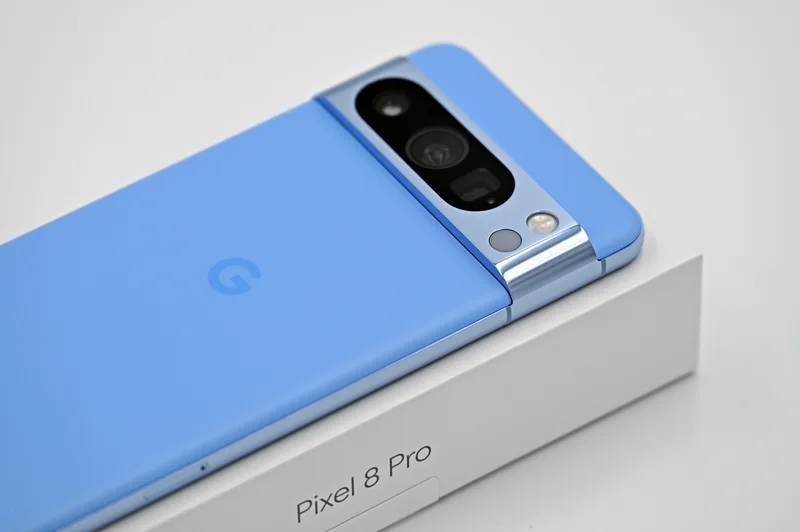
When the Pixel 8 Pro launched in October 2023, Google made an unusually aggressive promise for the Android world: seven years of OS, security, and Feature Drop updates, a commitment that at the time outpaced every other Android manufacturer and even matched Apple's typical iPhone support window. Three years later, that promise is still less than halfway through its runway, which makes the Pixel 8 Pro a genuinely interesting case study in what long-term Android support actually looks like in practice.
Tensor G3: Middling Then, Still Middling Now
The Tensor G3 was never the fastest chip in its own generation — Google has always prioritized its custom AI and machine-learning silicon over raw benchmark leadership, and that trade-off is even more visible three years later. Everyday tasks remain smooth, thanks in part to continued software optimization from Google, but demanding games and heavy multitasking show their limits more clearly than they do on the Snapdragon-powered competition from the same era. For anyone buying a used Pixel 8 Pro purely for peak performance, this is the phone's clearest weakness, then and now.
The Camera System Remains Genuinely Excellent
This is where the Pixel 8 Pro has aged best. The 50MP main sensor paired with Google's computational photography pipeline continues to produce some of the most reliable, true-to-scene photos available on any phone, and Google's approach to color science and dynamic range hasn't been meaningfully surpassed by phones released since. Low-light performance in particular remains a standout — Night Sight was already excellent at launch and subsequent software updates have only refined it further, a genuine example of computational photography aging better than hardware-only approaches.
Feature Drops Have Delivered Real Value
Google's quarterly Feature Drop program has meaningfully added capability to the Pixel 8 Pro after launch — new AI photo editing tools, camera improvements, and system-level features have all arrived as free updates over the past three years, genuinely extending the phone's useful life beyond what its hardware alone would suggest. This is the clearest practical benefit of Google's long support promise: owners aren't just getting security patches, they're getting new functionality on hardware Google originally shipped in 2023.
Display and Build Quality Holding Steady
The 6.7-inch LTPO OLED display, running at up to 120Hz with excellent brightness and color accuracy, remains one of the better screens available on any phone regardless of age. The aluminum frame and Gorilla Glass Victus 2 construction have held up to normal three-year wear reasonably well, though as with any phone this age, owners should expect visible signs of use on units that have seen daily carry without a case.
Battery Life: A Mixed Picture
The 5050mAh battery was generously sized at launch, and while three years of charge cycles inevitably reduce maximum capacity, the Pixel 8 Pro's starting point gives it more room to degrade before battery anxiety becomes a daily concern compared to phones that launched with smaller cells. Charging speed, at 30W wired, was never class-leading and looks increasingly modest against competitors now routinely offering 65W or faster, a gap that has only widened with time.
How It Compares to Its Own Generation
Set against Samsung's contemporary flagship, the Pixel 8 Pro's camera-first philosophy still holds up distinctly — our Pixel 8 Pro vs Galaxy S24 comparison remains a useful reference for buyers deciding between Google's computational-photography approach and Samsung's more balanced all-rounder strategy, a distinction that's aged into an even clearer split as both companies have doubled down on their respective strengths since.
Against Apple's Camera Flagship of the Same Era
The Pixel 8 Pro's camera reputation is best understood in direct comparison with Apple's contemporary flagship. Readers weighing both should look at our iPhone 15 vs Pixel 8 Pro camera showdown, which lays out the fundamentally different computational philosophies both companies were pursuing — a split that remains just as relevant to buyers comparing used units from both lineups today.
The Used-Market Case in 2026
With roughly four years of Google's original seven-year promise still remaining, a used Pixel 8 Pro in 2026 is arguably a better value proposition today than it was at launch — the price has come down substantially from the original $999, while the update runway remains genuinely long by any phone's standards. For photography-focused buyers specifically, that combination of continued software support and an already-excellent camera system is hard to beat at typical used-market pricing.
Where It Falls Short Today
The honest weaknesses three years on are unchanged from launch, just more pronounced: the Tensor G3's performance ceiling, modest charging speed, and a design that hasn't evolved much within Google's own lineup. None of these are dealbreakers for a buyer prioritizing camera quality and software longevity, but they matter for anyone expecting flagship-tier raw performance.
Repairability and Long-Term Ownership Costs
Google's partnership with iFixit for official repair parts, launched alongside the Pixel 8 series, means a three-year-old Pixel 8 Pro is easier and cheaper to keep alive than earlier Pixel generations were at the same age. Screen and battery replacements are both available through official channels at reasonable prices, a meaningful factor for anyone planning to hold onto a used unit for several more years rather than replacing it again soon.
The Accessory and Case Market Has Matured
As with any phone three years past launch, the accessory ecosystem around the Pixel 8 Pro has fully matured — cases, screen protectors, and wireless charging accessories are now widely available at prices well below what early adopters paid, a small but real benefit for anyone buying into the phone for the first time today rather than at launch.
Verdict
Three years in, the Pixel 8 Pro's camera system and Google's genuinely substantial software support remain its defining strengths, while its Tensor G3 chip and charging speed remain its clearest compromises — largely unchanged assessments from launch, which is itself a sign of how consistent Google's execution has been. For buyers who prioritize photography and long-term update security over raw benchmark performance, it remains an easy phone to recommend even years after release.