iPhone vs Android in 2026: A Practical Framework for Choosing
Forget the tribal debate. Here's a genuinely practical way to decide, based on what you already own, how you actually use a phone, and what you'd be giving up either way.
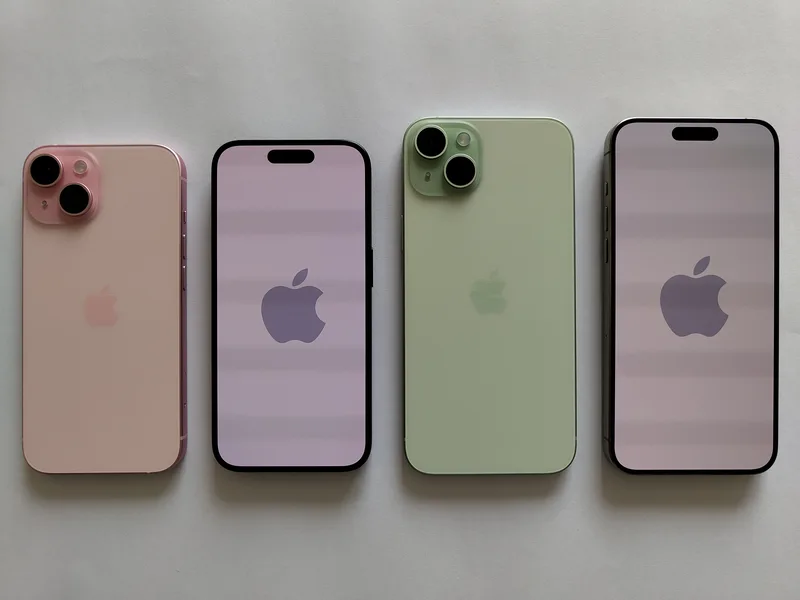
The iPhone-versus-Android debate has been running for close to two decades now, and most of it is genuinely unproductive — brand loyalty dressed up as objective advice. Both platforms are excellent in 2026. The more useful question isn't which one is "better" in the abstract; it's which one fits how you actually live with a phone, what you already own, and which trade-offs you're willing to accept. Here's a practical framework rather than another tribal argument.
Start With What You Already Own
If you own a Mac, an iPad, or AirPods, the iPhone's ecosystem integration — Handoff, AirDrop, Universal Clipboard, Find My across devices — creates real day-to-day convenience that's genuinely difficult to replicate on Android, even with Google's own cross-device features improving each year. Conversely, if you're on Windows, use Google Workspace daily, or already own a lot of accessories built around USB-C and wireless Qi charging without MagSafe's magnetic alignment, Android's flexibility removes friction Apple's more closed ecosystem can introduce. This single factor decides the comparison for a large share of buyers before any camera or performance spec even enters the conversation.
How Much Do You Actually Customize Your Phone?
iOS has narrowed the customization gap significantly in recent years — widgets, the Action Button, and more flexible Home Screen layouts all now exist — but Android still allows deeper changes: default app swapping beyond Apple's more limited allowances, more flexible notification handling, and interface skins like Samsung's One UI or Nothing OS that fundamentally change how the phone looks and feels. If you're the kind of user who wants to rearrange, theme, and tweak your phone's software extensively, Android remains the more permissive platform. If you'd rather a phone just work the same predictable way out of the box without much fiddling, iOS's more locked-down consistency is a feature rather than a limitation.
Camera Priorities: Style vs Consistency
This varies more by specific phone than by platform, but there are real philosophical differences worth naming. Apple's computational photography, refined over years across the iPhone 15 and its predecessors, tends toward natural, consistent exposure that rarely disappoints but also rarely wows. Google's Pixel 8 Pro leans further into AI-assisted editing and best-in-class low-light performance. Samsung and Xiaomi's flagships often produce punchier, more saturated images that look immediately striking on a phone screen. None of these is objectively correct — it's a genuine style preference worth actually comparing with real sample photos rather than spec sheets alone.
Budget Reality Check
Android's price range is dramatically wider than iPhone's — from genuinely capable midrangers like the Galaxy A54 at $449 up through $1000-plus flagships, giving Android buyers far more granular price-to-feature tradeoffs to choose from. Apple's cheapest current entry point is the iPhone SE at $429, with the standard lineup starting around $799 — a narrower range that gives buyers fewer stepping stones between "cheap" and "flagship." If budget flexibility matters more than brand consistency, Android's breadth is a real practical advantage.
Long-Term Software Support
This has shifted meaningfully in recent years when it comes to long-term software support. Apple's realistic five-plus years of iOS updates was long the industry benchmark, but Samsung and Google have both now matched or exceeded it — Samsung promises seven years of OS and security updates on its current flagships, and Google offers similar terms on Pixel devices. Other Android manufacturers, including Xiaomi, Nothing, and HONOR, still generally trail both Apple and Samsung in guaranteed update years, so "Android" as a category isn't a single answer here — the specific manufacturer matters enormously.
Switching Costs Are Real
Moving from iOS to Android, or the reverse, means re-buying accessories that don't cross platforms (MagSafe cases, certain smartwatches), re-learning muscle memory in system gestures and settings menus, and potentially losing access to messaging features like iMessage's blue-bubble group chat conveniences with friends and family still on iPhone. None of these are insurmountable, but they're real costs worth weighing honestly rather than assuming a switch is friction-free just because both platforms run the same core apps.
Resale Value Is Not Symmetric
This is a practical factor that rarely gets weighed properly: iPhones hold resale value substantially better than the average Android flagship, often retaining a meaningfully higher percentage of their original price two or three years out. That gap matters most for buyers who trade in or sell their old phone toward a new one every couple of years — the effective cost of iPhone ownership over time is often lower than the sticker price alone suggests, even when the upfront cost is higher than a comparable Android flagship. Buyers who keep phones until they're fully worn out, rather than trading in regularly, will find this factor matters much less to their actual budget.
Accessory and Repair Ecosystem
Apple's dominant market share means iPhone cases, screen protectors, and third-party accessories are produced in enormous volume and variety, and official Apple Store repairs are widely available in most major markets. Android's accessory ecosystem is more fragmented by design — a case for a Galaxy S24 won't fit a Pixel 8 Pro or a Xiaomi 14 — though Samsung specifically benefits from close to iPhone-level accessory availability given its own dominant Android market share. Less mainstream Android manufacturers like Nothing or HONOR have a noticeably smaller third-party accessory selection, worth checking before committing if personalized cases and accessories matter to you.
A Simple Decision Test
If you already own multiple Apple devices, prefer a consistent locked-down experience, and don't mind paying a premium for ecosystem convenience, the iPhone is very likely the right call without needing to overthink it further. If you want more customization, a wider range of prices and hardware choices, or specific features like expandable storage or a headphone jack that Apple doesn't offer on any current iPhone, Android is the better starting point — and from there, the manufacturer-specific decision matters more than the platform choice itself. For a broader look at how our full lineup stacks up against each other by actual buyer type rather than platform, see our five phones we'd actually recommend this year.