iPhone 15 vs iPhone 14 vs iPhone SE: Which Apple Phone Should You Buy
Apple sells three very different phones right now. Here's which compromises are worth making at each price.
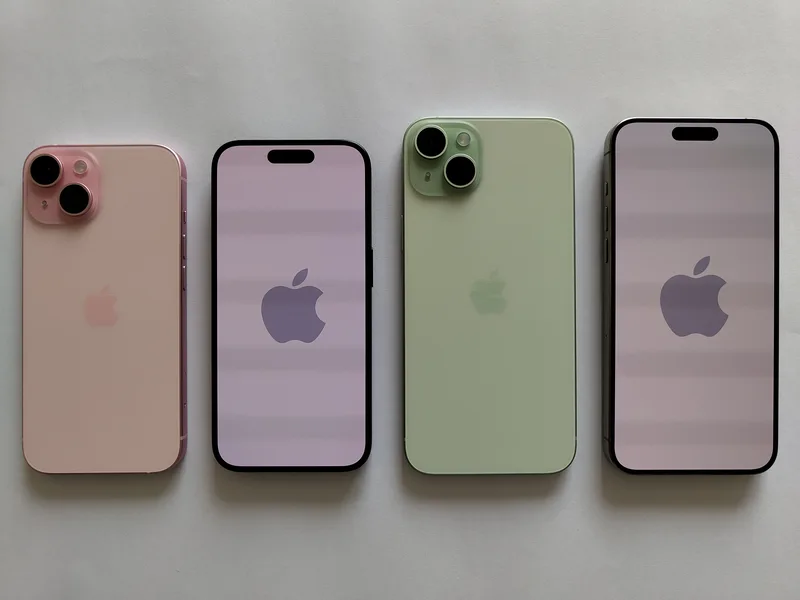
Apple currently sells three very different phones under one brand umbrella, and the gap between them is wider than the price tags suggest. The iPhone SE (3rd generation) starts at $429, the iPhone 14 sits at $799, and the iPhone 15 tops out the "current" lineup at $799 with a fresh design language. If you're choosing between them, the decision isn't really about which one is "best" in the abstract — it's about which compromises you can live with for years, because Apple's update cadence means whichever one you buy will likely stay in service for four or five years of iOS updates.
The case for the iPhone SE (3rd generation)
The SE is the outlier of the three, and it's worth understanding why before dismissing it. It uses the same A15 Bionic chip found in the iPhone 13 and iPhone 14 — genuinely fast hardware, not a cut-down "SE-tier" chip the way budget Android phones often ship with. The catch is everything wrapped around that chip: a 4.7-inch Retina IPS LCD with thick bezels and a home button, a single 12MP rear camera with no ultrawide or telephoto, 4GB of RAM, and a battery rated for roughly 15 hours of video playback versus 20 hours on the other two.
What the SE gets right is size and price. At 138 grams and a genuinely one-handed form factor, it's the only phone in Apple's current lineup that doesn't require two hands or a stretch to reach the top of the screen. For anyone who has been asking Apple for a smaller flagship for years, the SE remains the only answer, even though "flagship" isn't quite the right word for its camera or display.
The case for the iPhone 14
The iPhone 14 is the awkward middle child now that the iPhone 15 exists at the same $799 starting price — but it isn't going away, and Apple still sells it because the drop to $699 for the base storage tier at times makes it the better value of the two. It shares the A15 Bionic with the SE, but pairs it with a proper dual 12MP camera system (main plus ultrawide), a 6.1-inch OLED display, and a 6GB RAM allocation instead of 4GB. It also has Apple's Crash Detection and satellite SOS features, which the SE lacks entirely.
The biggest practical difference between the 14 and the 15, other than the chip, is the port: the iPhone 14 is Apple's last current phone with a Lightning connector. If you have Lightning accessories — CarPlay cables, older charging docks, a car with a built-in Lightning port — that continuity has real value. If you don't, it's a downside with no upside attached, since Lightning accessories are only getting harder to find as USB-C becomes standard.
The case for the iPhone 15
The iPhone 15 is the newest of the three and it shows in ways that matter day to day. The A16 Bionic is a meaningfully faster chip than the A15, the main camera jumps from 12MP to 48MP (with 2x optical-quality zoom via sensor crop), and it switches to USB-C — which also means faster wired data transfer and the ability to charge accessories like AirPods or a Bluetooth keyboard directly from the phone. The display and battery life are essentially identical to the 14's, so this isn't a dramatic generational leap in every category, but the camera and chip upgrades are the kind you'll actually notice.
The real reason to pick the 15 over the 14 at the same starting price is simple: it's newer, which means it will receive iOS updates for longer before Apple's support window closes. Buying the 14 today at a discount can make sense financially, but you're buying a phone that's already one generation further into its support lifecycle than the 15.
Which one should you actually buy?
If your hand genuinely can't manage a 6.1-inch phone comfortably, the SE is not a compromise — it's the only real option Apple sells, full stop. Everyone else should treat the SE's camera and display limitations as a real cost, not a minor one.
Between the 14 and the 15, the calculation is about longevity versus immediate savings. If you plan to keep the phone three-plus years, the 15's USB-C port and newer chip make it the more future-proof buy even at an identical list price. If you can find the 14 meaningfully discounted — $100 or more off — and you plan to upgrade again within two years anyway, that discount is real money for a phone that will do 90% of what the 15 does for most people's daily use.
Resale value and the trade-in math people skip
One factor that rarely makes it into these comparisons is how each phone holds its value, and it changes the calculation more than most buyers expect. The iPhone 15, being the current model, will retain a noticeably higher resale percentage three years from now than the iPhone 14 does today relative to when it launched — Apple's current-generation phones consistently depreciate slower in the first 12-18 months simply because they stay "current" longer. The SE is the opposite case: its resale value is capped low almost immediately because its outdated design (home button, thick bezels, small LCD) makes it look and feel old the moment a new SE ships, regardless of how capable the chip inside still is.
If you're the type of buyer who trades in every two years, that pushes the math toward the 15 even harder than the spec sheet alone suggests, because you're not just paying for today's performance — you're partly paying for tomorrow's trade-in credit. If you buy a phone and run it into the ground over five-plus years until the battery genuinely can't hold a charge, resale value stops mattering and the calculation reverts to pure capability-per-dollar, which favors the 14 or even the SE depending on your hand size and camera needs.
Quick picks by scenario
For someone replacing a phone with a cracked screen or dead battery who just wants "an iPhone that works" without thinking too hard: the iPhone 14, especially if discounted, is the pragmatic default — it does everything most people need without asking you to think about USB-C cable compatibility.
For someone who takes a lot of photos of kids, pets, food, or travel and actually looks at those photos later: the iPhone 15's 48MP main sensor and 2x optical-quality crop zoom are a real, visible upgrade over the 12MP sensors on the other two, not a marketing number that doesn't matter in practice.
For someone who has genuinely struggled with the size of every "normal" phone for years and has been waiting for Apple to make another small one: the SE remains the only game in town, camera and display limitations included — and Apple has given no indication that a smaller iPhone 15-class device is coming soon.
For a closer look at how the 15 stacks up against Android's current flagships rather than Apple's own lineup, see our iPhone 15 vs Galaxy S24 comparison, and if you're deciding across brands entirely, our buying guide by budget breaks down where each price tier's real strengths lie.