iPhone 15 vs Galaxy A54: Is the $350 Flagship Premium Worth It?
The Galaxy A54 costs $350 less than the iPhone 15 and nails most of the fundamentals. Here's what that price gap actually buys you.
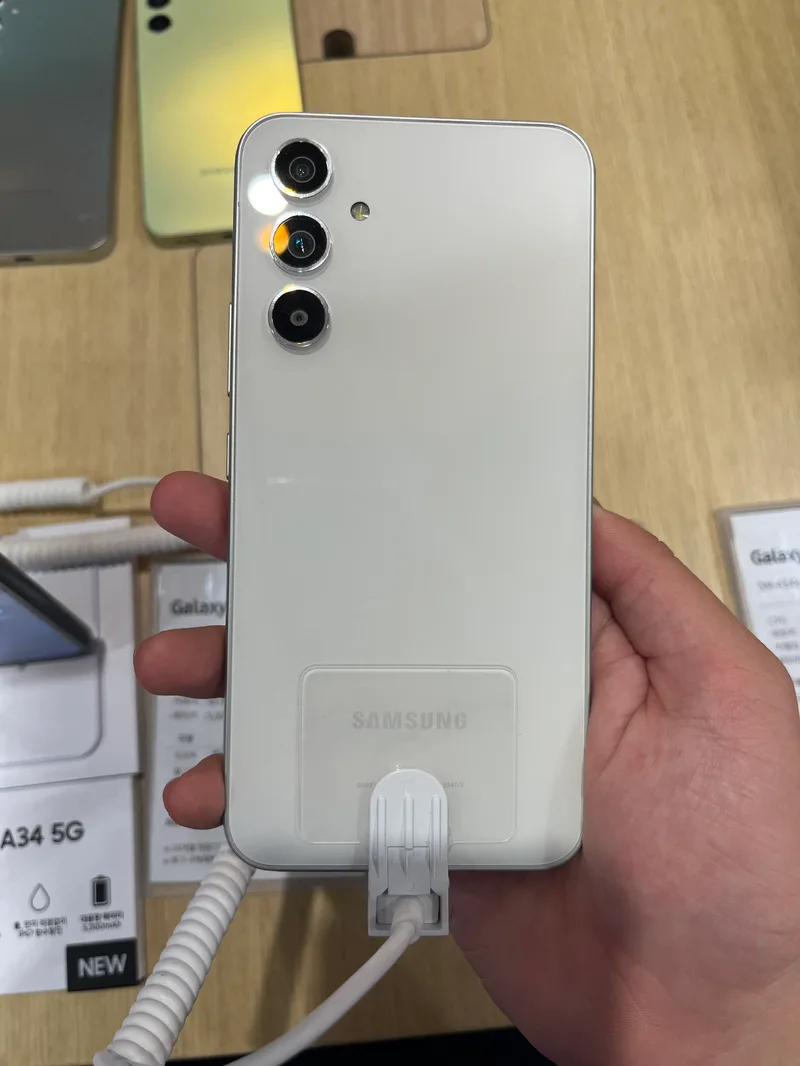
The Galaxy A54 5G costs $449. The iPhone 15 costs $799. That's a $350 gap — enough for a decent pair of wireless earbuds and dinner out — and it raises the obvious question: does the iPhone 15 actually deliver $350 more phone, or is the A54 secretly the smarter buy for most people?
What the A54 Gets Right
The A54 punches well above its price class on paper. It has a 120Hz Super AMOLED display, a rarity at this price point where most competitors still ship 90Hz or even 60Hz panels, and it carries an IP67 water resistance rating that plenty of phones costing twice as much don't bother with. Samsung clearly built the A54 to not feel like an obvious "budget phone" in the hand, and largely succeeds — the design, screen quality, and build materials punch noticeably above the sub-$500 category average.
Performance
Where the gap becomes real is performance. The A54 runs an Exynos 1380 chip, a genuinely midrange processor that handles everyday tasks — browsing, messaging, social media, light gaming — comfortably, but shows its limits under sustained heavy use: demanding games, intensive photo editing, or long gaming sessions will reveal thermal throttling and frame drops the iPhone 15's A16 Bionic simply doesn't experience. The A16 was Apple's Pro-tier chip just one generation earlier, and it remains meaningfully faster than anything in the Galaxy A-series lineup, full stop.
Cameras
Camera capability follows a similar pattern. Both phones have reasonably capable main sensors — the A54's 50MP main camera is solid for daylight shots — but the iPhone 15's 48MP sensor paired with Apple's computational photography pipeline pulls ahead meaningfully in low light, video stabilization, and consistency across all shooting conditions. The A54 also includes a 5MP macro lens the iPhone 15 doesn't have, a nice-to-have rather than a game-changer, while the iPhone's video recording quality — 4K at 60fps with excellent stabilization — remains a clear step above what the A54 can produce.
Software Longevity
Software longevity is where the price gap starts to look more reasonable. Samsung promises the A54 four years of OS updates and five years of security patches — genuinely good for a midrange phone, but still short of the seven-year commitment Samsung now makes for its Galaxy S-series flagships, and short of Apple's typical five-plus years of full OS support for iPhones. Buy the A54 expecting a phone you'll want to replace in three to four years; buy the iPhone 15 expecting a longer runway before it starts feeling genuinely outdated.
Build Quality and Ecosystem
The build materials tell the price story plainly: the A54 uses a plastic-glass hybrid frame, while the iPhone 15 uses an aluminum frame with color-infused glass. Neither feels cheap exactly, but side by side, the iPhone's materials read as more premium, and that's before accounting for Apple's broader ecosystem advantages — AirDrop, iMessage, Handoff between Mac and iPhone, and a five-plus-year track record of consistent software behavior across every price tier Apple sells. Our full iPhone 15 verdict covers the case for why it remains the default recommendation for most Apple-curious buyers.
Charging and Battery
Charging speed is similar on paper — both cap out around 20-25W — but real-world battery life edges toward the A54's larger 5000mAh cell against the iPhone's smaller pack, an area where the midrange phone genuinely holds its own against a much pricier rival. If all-day battery life without babying your usage is a top priority, the A54 doesn't concede much ground here at all.
Who Should Buy Which
None of this makes the A54 a bad phone — quite the opposite. For anyone on a genuinely tight budget, or anyone who just wants a phone that handles daily tasks well without spending flagship money, it remains one of the smarter buys in its price class specifically because Samsung didn't cut corners on the screen or build quality the way cheaper competitors often do.
Gaming Performance in Practice
For buyers who game seriously on their phone, the performance gap between these two deserves a closer look than raw benchmark numbers alone. The iPhone 15's A16 Bionic handles graphically demanding titles at high settings with sustained frame rates and minimal thermal throttling even during extended sessions. The Galaxy A54's Exynos 1380 can run the same titles, but typically at reduced settings, with more noticeable frame drops during intensive scenes and throttling that becomes apparent after 15-20 minutes of continuous demanding gameplay. Casual gaming — puzzle games, turn-based strategy, simpler mobile titles — runs fine on either phone; it's specifically graphically intensive, console-style mobile gaming where the gap becomes obvious.
The Trade-In and Upgrade Cycle
Consider also how each phone fits into a realistic upgrade cycle. Buyers who replace their phone every two years get less benefit from the iPhone 15's longer software runway, since they're unlikely to keep the device long enough to hit the A54's update ceiling anyway — for that buyer, the A54's lower upfront cost may be the smarter financial choice regardless of the performance gap. Buyers who keep phones for four-plus years get real, compounding value from the iPhone's extra performance headroom and longer support window, since the gap between the two phones' usability only widens as both age.
Video Call and Front Camera Quality
Front-facing camera quality is another quiet iPhone advantage: the 15's 12MP TrueDepth camera handles video calls and selfies with better dynamic range and more accurate skin tones than the A54's 32MP front sensor, despite the A54's higher megapixel count on paper — a reminder that sensor size and processing matter more than raw resolution for front-camera quality specifically.
Display Brightness in Daily Use
Outdoor visibility is another quiet win for the iPhone 15, whose display reaches higher peak brightness in direct sunlight than the A54's panel, making it noticeably easier to read outdoors on a bright day — a small but frequently relevant difference for anyone who checks their phone outside regularly rather than exclusively indoors or in shade.
Verdict
The $350 premium buys you meaningfully faster performance, a better camera system, longer software support, and Apple's ecosystem — real, tangible upgrades, not just brand markup. Whether that's worth it depends entirely on your budget and how long you plan to keep the phone.