iPhone 15, Three Years Later: Does Apple's 2023 Flagship Still Hold Up in 2026?
Apple's first USB-C iPhone launched at $799 in September 2023. Three years on, here's what's aged well and what hasn't.
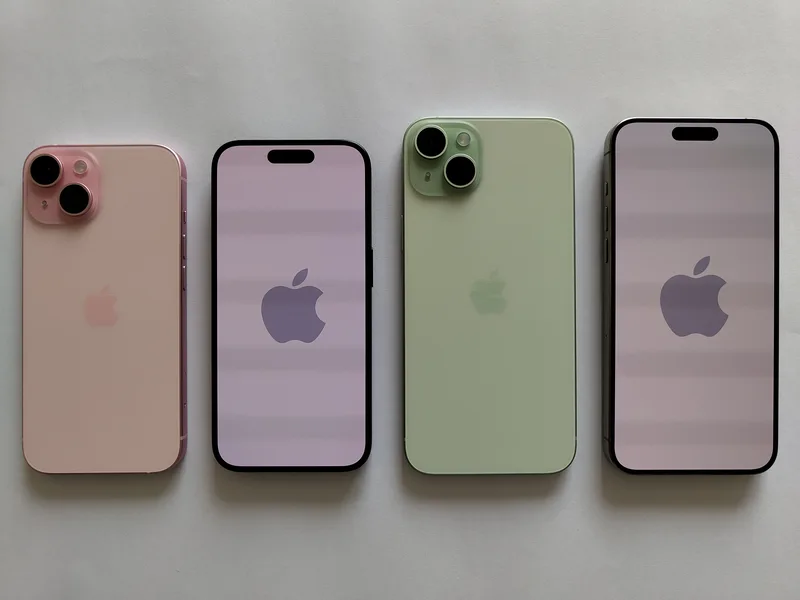
The iPhone 15 launched in September 2023 as a genuinely transitional phone for Apple — the first mainstream iPhone with USB-C, the first to borrow the Dynamic Island down from the Pro line, and the first with the A16 Bionic doing duty in a non-Pro model. Three years later, in 2026, it's worth asking the question every phone eventually faces: does the hardware still hold up, or has it quietly become the phone you buy because it's cheap rather than because it's good?
The Chip Has Aged Better Than Expected
The A16 Bionic was already a year-old design when it landed in the iPhone 15, having debuted in the iPhone 14 Pro the year before. That head start hasn't hurt it much. In 2026, the A16 still handles everyday tasks, most current App Store titles, and multitasking without the stutter you'd expect from three-year-old silicon, thanks to Apple's usual practice of pairing efficient cores with a light, well-optimized version of iOS. It's not a chip you'd want for the most demanding new games, but for the overwhelming majority of what people actually do with a phone, it remains comfortably fast.
USB-C Was the Right Call
The switch to USB-C was controversial at the time — plenty of longtime iPhone owners had years of Lightning cables to replace — but three years on it looks like an obviously correct decision. USB-C means the iPhone 15 now charges with the same cable as most Android phones, laptops, and accessories, removing one of the last real cross-platform frictions in owning an iPhone. Anyone still holding a drawer of old Lightning cables in 2026 has had three years to make the switch, and the phone itself has only gotten more convenient to live with as USB-C became the universal standard Apple resisted for so long.
The Display Still Looks Current
Unlike some older iPhones in this retrospective series, the iPhone 15's 6.1-inch Super Retina XDR OLED panel hasn't aged into obvious datedness — the color accuracy and brightness remain genuinely good by 2026 standards, even if the fixed 60Hz refresh rate is now a clear step behind rivals like the Galaxy S24's 120Hz display. Scrolling and animations look noticeably less smooth next to a modern 120Hz Android flagship, a gap that was already noticeable at launch and hasn't closed with age, since Apple reserved higher refresh rates for its Pro models throughout this phone's lifespan.
Cameras: Solid, Not Class-Leading
The 48MP main camera with 12MP ultrawide was a genuine upgrade over the iPhone 14's setup at launch, and it still produces reliable, accurate photos in 2026 — Apple's computational photography pipeline has aged gracefully because so much of the improvement comes from software rather than sensor hardware. What hasn't aged as well is the lack of a telephoto lens, a limitation that felt reasonable at this price point in 2023 but looks increasingly stingy next to budget-adjacent competitors that have since added zoom hardware at similar prices.
Battery Life and Real-World Use
Battery life remains one of the iPhone 15's quiet strengths. Three years of normal charge cycles will have taken some toll on maximum capacity for most owners, but Apple's chip efficiency means the phone still comfortably gets most users through a full day, and the battery health reporting built into iOS makes it easy to see exactly how much capacity has degraded rather than leaving owners to guess. For anyone buying a used iPhone 15 in 2026, checking that battery health percentage before purchase is a genuinely useful step most buyers skip.
Software Support Remains a Strength
This is where the iPhone 15 clearly separates itself from budget Android phones of the same era: it's still receiving current iOS updates in 2026, still running the newest App Store releases, and still getting security patches on the same schedule as brand-new iPhones. That multi-year update runway is arguably the single biggest reason to consider a three-year-old iPhone over a similarly-priced three-year-old Android phone, most of which stopped receiving meaningful updates long before now.
How It Stacks Up Against What Came After
Comparing the iPhone 15 against Apple's newer models makes its remaining strengths and its real limitations clearer. Our iPhone 14 to iPhone 15 upgrade guide from around launch still holds up reasonably well as a reference point for what actually changed, and reading it alongside this retrospective gives a fuller picture of the generational gap for anyone weighing a used or discounted iPhone 15 today against subsequent models.
Where It Sits Against Android in 2026
Against current Android flagships, the iPhone 15's 60Hz display and single telephoto-free camera system are its clearest weaknesses, while its software longevity and chip efficiency remain genuine advantages. Buyers cross-shopping against Samsung's lineup should read our iPhone 15 vs Galaxy S24 buyer's guide for a direct breakdown of exactly where each phone wins, much of which still applies three years later since neither phone's hardware has changed.
Resale and Used-Market Value in 2026
Three years in, the iPhone 15 has settled into a genuinely attractive spot on the used and refurbished market. Apple phones traditionally hold resale value better than most Android competitors, and the iPhone 15 is no exception — clean used units still command a meaningful fraction of the original $799 launch price, which makes it a reasonable buy for anyone who wants a currently-supported iPhone without paying flagship prices for the newest model.
Should You Buy One Now?
For a budget-conscious buyer specifically wanting a current, well-supported iPhone in 2026, a used or heavily discounted iPhone 15 remains a defensible purchase: the chip is fast enough, the software support is ongoing, and USB-C means it fits into a modern charging ecosystem without friction. The honest caveats are the 60Hz display and missing telephoto lens, both of which were already trade-offs at launch and haven't gotten any less real with three years of hindsight.
Verdict
The iPhone 15 has aged unusually well for a phone this far from its launch date. Its chip remains fast, its software support is ongoing and current, and the USB-C switch looks smarter every year that passes. Its display refresh rate and single-lens telephoto gap are real limitations that haven't improved with age, but for buyers who value software longevity and Apple's ecosystem over having the absolute newest hardware, this remains a perfectly reasonable phone to own in 2026.