Galaxy S24 vs Xperia 1 V: Two Very Different Ideas of What an Android Flagship Should Be
Samsung builds for the mass market. Sony builds for a small, specific audience willing to pay $600 more for manual camera controls and a 4K display.
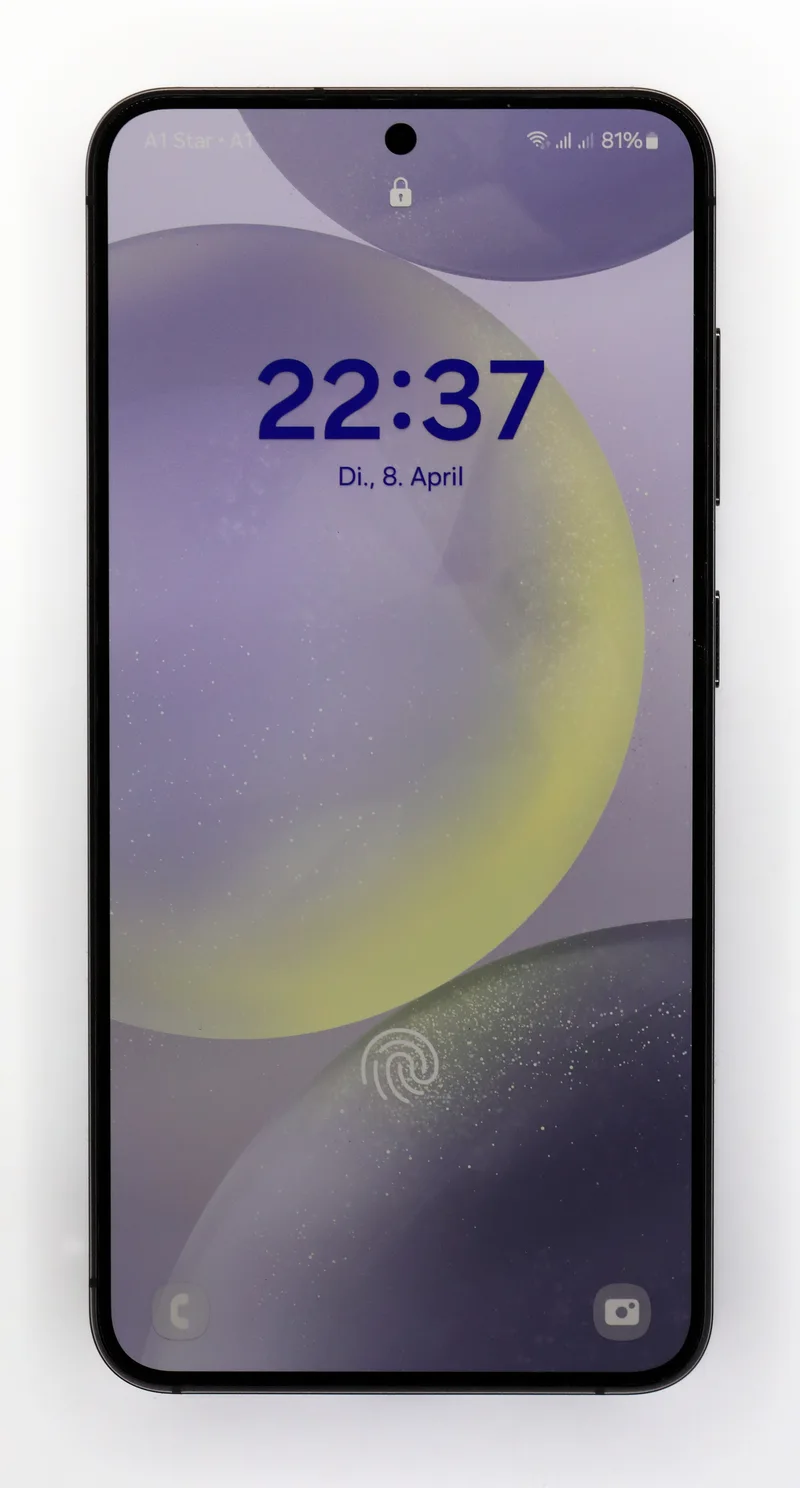
The Galaxy S24 and the Sony Xperia 1 V are both Android flagships running Qualcomm silicon, but they're built for almost opposite audiences. Samsung sells millions of S24s to a broad mainstream market at $799. Sony sells the Xperia 1 V in far smaller numbers at $1,399 to a specific audience of creators, videographers, and manual-photography enthusiasts who know exactly what they want.
Displays
The clearest expression of that split is the display. The S24 runs a 6.2-inch 120Hz Dynamic AMOLED 2X panel at a standard 2340x1080 resolution — excellent, mainstream-flagship quality that looks great for everything from social media to streaming video. The Xperia 1 V runs a 6.5-inch genuinely 4K OLED panel in an unusual 21:9 cinema aspect ratio, also at 120Hz. That extra resolution and aspect ratio exist specifically for people who watch or edit video content professionally or semi-professionally — most buyers won't perceive much practical benefit from 4K on a 6.5-inch screen, but the tall aspect ratio matches cinema content without letterboxing in a way the S24's more conventional screen shape doesn't.
Camera Philosophy
Camera philosophy diverges just as sharply. The S24's 50MP main, 12MP ultrawide, and 10MP 3x telephoto system leans heavily on Samsung's computational processing and Galaxy AI features — point the phone, and the software does most of the work to produce a punchy, shareable photo instantly. The Xperia 1 V's 48MP main sensor with variable aperture is built around Sony's actual camera-industry heritage, and its software prioritizes manual control — full RAW capture, adjustable shutter speed and ISO, and a dedicated two-stage camera shutter button that behaves like a real camera. If you want a phone that thinks for you, the S24 wins convenience easily. If you want to control every setting yourself, the Xperia is one of very few phones built specifically for that.
Legacy Ports
Two legacy features separate the Xperia further: a 3.5mm headphone jack and a microSD expansion slot, both dropped from the Galaxy S24 (and nearly every other 2023-2024 flagship) years ago. For anyone with a wired headphone collection or who wants cheap expandable storage instead of paying Samsung's premium for higher storage tiers, that's a real, ongoing advantage that no software update can replicate.
Software Support
Software longevity leans heavily toward Samsung. The S24 gets a genuinely industry-leading seven years of OS updates — matching Apple's own iPhone support window and going well beyond what Sony commits to for the Xperia line, which typically receives two to three years of major OS updates. If you plan to keep your phone for the long haul, that gap compounds significantly over time; a five-year-old S24 will still be receiving current Android versions long after a five-year-old Xperia 1 V has stopped. Our full Galaxy S24 verdict covers why Samsung's update commitment is a genuine selling point, not just marketing.
Battery and Charging
Battery life leans toward the Xperia on paper thanks to its larger 5000mAh cell versus the S24's 4000mAh, though the S24's more efficient Snapdragon 8 Gen 3 for Galaxy chip and lower-resolution screen narrow the real-world gap considerably. Charging speed is roughly comparable at 25W and 30W respectively — neither phone is fast-charging class-leading in 2026's market, where 65W-plus has become common among Chinese flagship brands.
Price and Audience
Price is the practical deciding factor for most buyers: at $1,399, the Xperia 1 V costs 75% more than the S24 for a narrower feature set outside its specific camera and display strengths. Our Xperia 1 V verdict explains exactly who that premium makes sense for. For the much larger audience that just wants a well-rounded, well-supported flagship, the Galaxy S24 is the far more sensible default choice.
Ecosystem and Accessories
Samsung's ecosystem advantage over Sony in the phone space is substantial and often underappreciated in spec-focused comparisons. Galaxy Buds, Galaxy Watch, SmartThings smart-home integration, and DeX desktop mode all work specifically well with Galaxy S24, creating a genuine multi-device experience for buyers already invested in Samsung hardware. Sony's phone division doesn't have an equivalent ecosystem play — its audio and camera products exist as excellent standalone items, but Sony doesn't push the same kind of cross-device integration Samsung and Apple both prioritize heavily.
Who the Xperia Line Is Really For
It's worth being direct about the Xperia 1 V's actual target buyer: working videographers, photography hobbyists who already own manual cameras and want a phone that speaks the same language, and audio enthusiasts who refuse to give up a headphone jack. If none of those describes you, the Xperia's specific strengths — manual camera control, 4K display, legacy ports — deliver very little practical value relative to their cost, and the Galaxy S24 will almost certainly serve you better across every metric that matters for typical daily use, from camera convenience to software longevity to ecosystem integration.
Build Materials and Water Resistance
Both phones use premium materials — Armor Aluminum and Gorilla Glass Victus 2 on the S24, versus the Xperia's own aluminum frame and Victus 2 glass — with genuinely excellent IP68 water resistance on both. Neither phone gives up meaningful durability for its specialization, which is worth noting given how differently the two are otherwise positioned; Sony didn't cut corners on build quality even while chasing a much narrower audience than Samsung.
Performance in Everyday Use
Both phones run capable Qualcomm silicon — the S24's Snapdragon 8 Gen 3 for Galaxy is a full generation newer than the Xperia 1 V's Snapdragon 8 Gen 2, translating to a meaningful real-world performance edge for the S24 in gaming, multitasking, and sustained workloads, on top of everything else already working in the S24's favor for most buyers.
Fingerprint Sensor and Biometrics
Both phones use an under-display ultrasonic or optical fingerprint sensor for unlocking, with the S24's sensor generally regarded as faster and more consistently accurate across a wider range of finger angles and moisture conditions, a small but real everyday convenience difference that adds up across hundreds of unlocks per week.
Verdict
The S24 is what "Android flagship" means to most people. The Xperia 1 V is what it means to a specific, camera-obsessed niche willing to pay a serious premium for tools most buyers will never use.