Best Phones for Video Creators in 2026: Which Camera System Actually Delivers
Still-photo quality and video quality aren't the same thing. Here's how our 11-phone lineup ranks specifically for shooting and editing video.
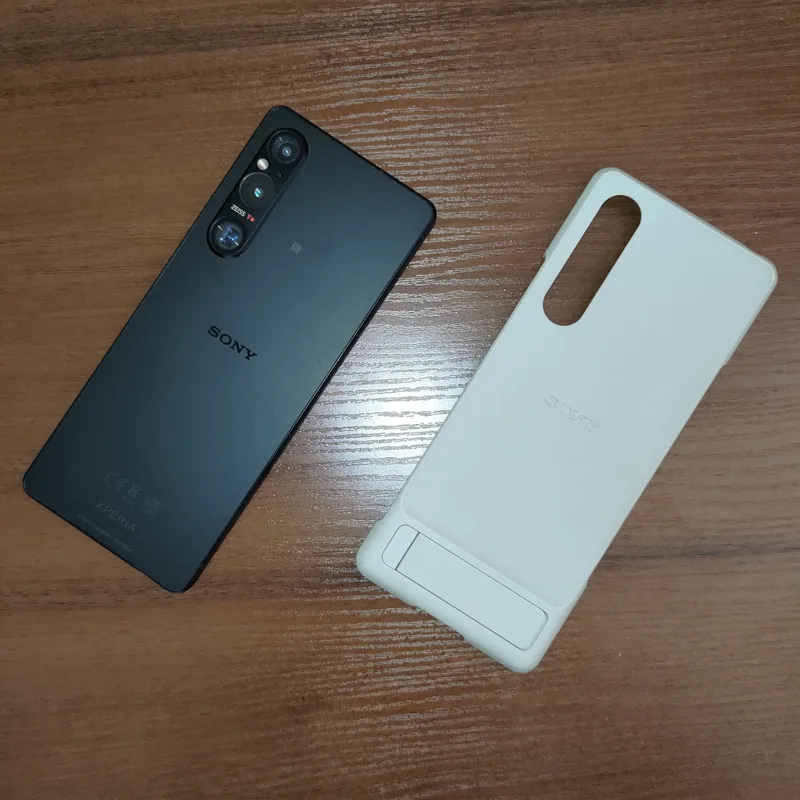
Most phone camera comparisons focus on still photography, but video is a genuinely different discipline — stabilization, manual exposure control, frame-rate flexibility, and sustained recording thermals all matter far more for video creators than they do for someone taking the occasional snapshot. Across our 11-phone lineup, the phones that win at still photography aren't always the same ones that win for video. Here's how they actually stack up for creators.
The Clear Winner: Sony Xperia 1 V
This isn't close. The Sony Xperia 1 V is built by the same company that makes Sony's professional Cinema Line cameras, and it shows — the phone offers genuine manual video controls, including adjustable shutter speed, ISO, and white balance through Sony's dedicated Cinema Pro and Videography Pro apps, a level of manual video control no other phone in our lineup offers. Its variable-aperture main camera and 4K HDR 21:9 display, matching the aspect ratio of real cinema content, round out a phone that's less a general-purpose camera and more a genuinely professional-adjacent video tool that happens to also make calls. We've covered this niche positioning before in why the Xperia 1 V is the best camera phone nobody buys, and the video case for it is, if anything, even stronger than the stills case made there.
Strong Runner-Up: Pixel 8 Pro
For creators who want excellent video quality without wading into manual controls, the Pixel 8 Pro's computational video processing produces some of the most reliable, well-exposed, accurately colored footage available on any phone. Its stabilization is particularly strong for handheld shooting, and Google's Night Sight video mode extends usable low-light footage further than most competitors manage. It won't give you Sony's manual control depth, but for creators who want great results without a steep learning curve, it's arguably the more practical daily pick.
Leica-Tuned Video: Xiaomi 14
The Xiaomi 14's Leica partnership extends beyond stills into its video color science, producing footage with a distinctive, filmic color character that stands out from the more neutral processing most competitors default to. Combined with its 90W fast charging — genuinely useful for creators doing long shooting days who need quick top-ups between takes — it's a legitimately strong video pick for creators who like Leica's color signature specifically.
Samsung's All-Rounder Approach: Galaxy S24
The Galaxy S24 doesn't specialize in video the way the Xperia 1 V does, but its combination of a bright, accurate 120Hz display for reviewing footage on the go, solid stabilization, and Samsung's generally punchy color processing make it a perfectly capable general-purpose video camera for creators who don't need Sony's manual depth. It's the safer, more versatile default among our flagships.
Zoom Reach for Video: HONOR Magic6 Pro
Creators who specifically need telephoto reach for video — wildlife, sports, or events shot from a distance — should look at the Magic6 Pro's 180MP periscope telephoto system, which extends usable zoom range for video far beyond what any other phone in our lineup offers. Its large 5600mAh battery is also a genuine practical advantage for creators on long shoot days away from a charger.
Where Apple's iPhones Land
Both the iPhone 15 and iPhone 14 offer reliably good, well-stabilized video with Apple's typically accurate color science, and Apple's broader ecosystem — particularly easy AirDrop transfer to a Mac for editing in Final Cut Pro — is a genuine practical advantage for creators already inside Apple's ecosystem. Neither offers Sony-level manual control, but for straightforward, reliable video capture integrated into an editing workflow, they remain strong practical choices. Our iPhone 15 vs Pixel 8 Pro camera showdown covers the still-photo side of that comparison in more depth.
Budget Video: Galaxy A54 and iPhone SE
Neither budget phone in our lineup is built with video creators specifically in mind, but the Galaxy A54's 120Hz display at least makes reviewing footage more pleasant than the iPhone SE's 60Hz panel, even though both phones' underlying video processing is a clear step down from the flagships above. Budget-conscious creators just starting out could do worse, but shouldn't expect flagship-level results from either.
What Design-First Buyers Give Up: Nothing Phone (2)
The Nothing Phone (2)'s camera system is solid for casual use but doesn't stand out specifically for video against the flagships in this ranking — its 50MP main and ultrawide pairing handle typical shooting competently without offering the manual control depth or computational polish that would put it near the top of a creator-focused list.
The Foldable Trade-Off: Galaxy Z Flip5
The Z Flip5's foldable form factor does offer one genuinely creator-relevant trick — using the external cover screen as a viewfinder for hands-free tripod-style shots at unusual angles — but its smaller camera sensor array and shorter battery life under sustained recording make it a niche pick for video specifically rather than a strong general recommendation.
Audio Quality Matters for Video Too
Video creators often overlook audio, but it's worth a specific mention here: the Xperia 1 V is the only phone in our lineup with a genuine 3.5mm headphone jack, letting creators monitor audio directly through wired headphones while recording rather than relying on Bluetooth's added latency, a small but genuinely practical advantage for anyone recording interviews or voiceover-heavy content on location. Most other phones in this ranking, including the iPhones and Samsung's flagship, dropped the headphone jack years ago in favor of wireless-only audio monitoring.
Editing Workflow Considerations
Which phone fits best also depends on where creators plan to edit their footage. iPhone owners benefit from a famously smooth pipeline into Final Cut Pro on a Mac via AirDrop, while Android creators editing on desktop typically rely on standard file transfer or cloud sync, a slightly less seamless but still perfectly workable process across the Pixel, Samsung, Xiaomi, and Sony phones in our lineup. Creators already committed to a specific desktop editing workflow should weigh that existing pipeline alongside the camera comparisons above.
Our Recommendation
For creators who want genuine manual control and are willing to learn Sony's more complex camera apps, the Xperia 1 V is the clear pick in our lineup, full stop. For creators who want excellent results without the learning curve, the Pixel 8 Pro and Galaxy S24 both deliver reliably strong video with far simpler camera apps.
Verdict
Video-focused buyers should resist the temptation to just pick whichever phone wins still-photo comparisons — the Xperia 1 V's manual controls make it the standout for serious creators despite not topping most general camera rankings, while the Pixel 8 Pro and Galaxy S24 offer the best balance of quality and simplicity for creators who don't want to learn a professional-style camera app.