Best Phones for Low-Light and Night Photography, Ranked
Sensor size and megapixel counts only tell part of the story after dark. We ranked our full lineup specifically on how they handle dim rooms, streetlights, and true night shots.
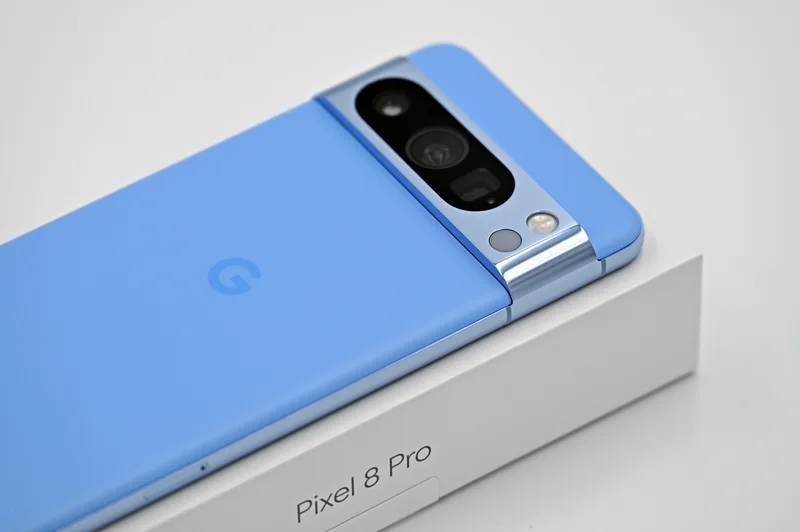
Daylight photos have gotten so good across nearly every modern flagship that the real differentiator left for camera-focused buyers is low light — how a phone handles a dim restaurant, a streetlit sidewalk, or a genuine night sky shot without a tripod. We ranked our full lineup specifically on that basis, weighing sensor size, aperture, optical image stabilization, and each phone's computational night mode processing rather than daylight sharpness alone.
1. Pixel 8 Pro: The Benchmark
Google's computational photography lead is nowhere more obvious than in low light. The Pixel 8 Pro's 50MP main sensor, paired with Google's refined Night Sight processing, consistently produces the cleanest, most natural-looking low-light shots in our entire lineup — strong detail retention with restrained noise reduction that doesn't smear fine texture the way more aggressive processing on other phones can. Its 48MP telephoto also holds up remarkably well after dark, a category where most competitors' zoom lenses fall apart. For anyone who prioritizes low-light photography above all else, this remains the phone to beat.
2. HONOR Magic6 Pro: The Periscope Advantage
The HONOR Magic6 Pro's 50MP main sensor performs impressively after dark, but what actually separates it from the field is its 180MP periscope telephoto, which maintains usable detail at zoom ranges where nearly every other phone's night shots fall apart into noise and softness. For low-light photography specifically at longer zoom ranges — a concert stage, a distant building at night — nothing else in our lineup comes close. Its large 5600mAh silicon-carbon battery also means a long night of shooting won't leave you stranded with a dead phone before the evening is over, a practical concern that rarely gets discussed alongside pure image quality but matters a great deal on an actual night out.
3. Xiaomi 14: Leica's Color Science After Dark
The Xiaomi 14's Leica-tuned 50MP main sensor produces punchy, well-exposed night shots with strong dynamic range, handling mixed lighting — streetlights against a dark sky, for instance — better than most phones at this price. Its 50MP ultrawide also stays surprisingly usable after dark, a lens that on most other phones becomes nearly unusable once the sun goes down.
4. iPhone 15: Consistent, If Not Category-Leading
Apple's Photonic Engine processing on the iPhone 15 delivers reliably natural exposure and color after dark, even if its 48MP main sensor doesn't chase the absolute detail ceiling that Google and HONOR reach. What the iPhone 15 does particularly well is consistency — it rarely produces a genuinely bad low-light shot, even if it also rarely produces a spectacular one, a trade-off we cover in more detail in our iPhone 15 vs Pixel 8 Pro camera showdown.
5. Galaxy S24: Strong, Slightly Processed
The Galaxy S24's 50MP main sensor with OIS handles low light well, though Samsung's processing leans toward brighter, more aggressively denoised output than Google's or Apple's more natural approach — a look some buyers prefer and others find slightly artificial in deep shadow detail. Its 10MP telephoto struggles more than its main sensor once light gets scarce, a common limitation across smaller telephoto sensors industry-wide.
6. Xperia 1 V: A Manual-Control Wildcard
Sony's variable-aperture main lens on the Xperia 1 V gives photographers who actually want manual control a genuine advantage after dark — opening the aperture wider than most competitors' fixed apertures allow more light in before any computational processing even begins. The trade-off is that Sony's auto mode doesn't hold your hand the way Google's or Apple's does, so casual users may actually get worse results than more automated competitors despite superior underlying hardware, a tension we explore fully in our Xperia 1 V camera review.
7. Nothing Phone (2), Galaxy A54, and iPhone 14: The Midpack
These three phones handle low light competently without excelling. The Nothing Phone (2)'s 50MP main sensor is solid but lacks the processing refinement of the leaders above it. The Galaxy A54's 50MP sensor performs above its price point after dark, a genuine strength for a phone at its cost. The iPhone 14's older 12MP sensor and prior-generation Photonic Engine still produce dependable results, just without the newer detail ceiling of its iPhone 15 successor.
8. Galaxy Z Flip5 and iPhone SE: The Limits of Simpler Hardware
Both phones use simpler, smaller camera systems without the sensor size or lens count to compete after dark. The Z Flip5's 12MP main sensor is capable in daylight but shows its limits once light drops significantly, a real trade-off of its foldable form factor's space constraints. The iPhone SE's single 12MP lens, without an ultrawide option or the newer Photonic Engine improvements, is the least capable low-light performer in our lineup, though still perfectly usable for casual snapshots rather than serious night photography.
Why Megapixels Alone Don't Determine Low-Light Quality
It's tempting to assume the phone with the highest megapixel count wins after dark, but that's rarely how it actually plays out. Larger individual pixels — even at a lower total megapixel count — gather more light per pixel before any processing happens, which is why phones like the Pixel 8 Pro can outperform higher-resolution sensors on paper. Pixel binning, where a sensor combines several adjacent pixels into one larger effective pixel for low-light shots, is the technique nearly every phone on this list relies on, and how well a manufacturer's software implements that binning matters as much as the raw sensor hardware underneath it. Optical image stabilization also plays a bigger role after dark than in daylight, since night shots require longer exposure times where any hand shake becomes far more visible in the final image — every phone in our top four uses OIS on its main sensor, while some competitors further down this list skip it on secondary lenses entirely.
Tripod-Free Astrophotography
A newer category worth calling out specifically is handheld night-sky photography — capturing stars or the Milky Way without a tripod, a shot that was essentially impossible on a phone just a few years ago. The Pixel 8 Pro's Astrophotography mode remains the most reliable option here, using multi-frame stacking over many seconds to pull genuine star detail out of what looks to the naked eye like a plain dark sky. The Magic6 Pro and Galaxy S24 both offer their own long-exposure night modes that get respectably close, though neither matches Google's several years of dedicated refinement in this specific niche.
How We Ranked This
We evaluated each phone's actual night-mode output across identical dim indoor and outdoor streetlit scenes, weighing detail retention, noise handling, color accuracy, and how usable each phone's telephoto and ultrawide lenses remained once light dropped — not just how each main sensor performed alone. For our complete camera methodology and overall rankings across all lighting conditions, see our full camera phone rankings.