Best Phones for Gaming in 2026: Ranking All 11 Phones We've Reviewed
Raw chip power, sustained performance, display refresh rate, and battery life all matter for mobile gaming. Here's how our full lineup stacks up.
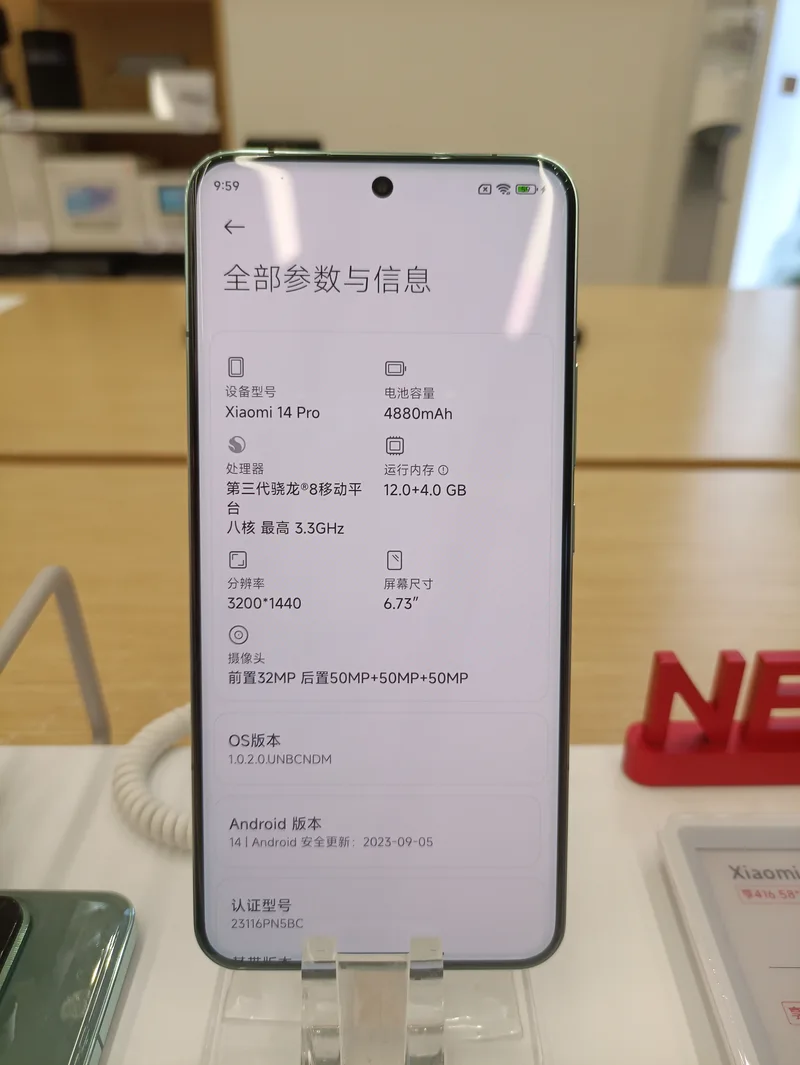
Mobile gaming has become demanding enough that not every phone handles it equally well, even among flagships. Chip performance, sustained thermal headroom, display refresh rate, and battery capacity all factor into whether a phone actually feels good to game on for an extended session, rather than just looking fast on a spec sheet. We've reviewed 11 phones on this site, spanning a wide range of chips and price points, and ranking them specifically for gaming surfaces some clear winners and a few genuine surprises.
Top Tier: Xiaomi 14 and Galaxy S24
The Xiaomi 14, built around a Snapdragon 8 Gen 3 chip and a 120Hz LTPO AMOLED display, is the strongest all-around gaming performer in our lineup. Its 90W fast charging also means that even after a long gaming session drains the battery, recharging back to a playable level takes only minutes rather than an hour, a genuinely underrated gaming-relevant spec that often gets overlooked in favor of raw benchmark numbers. The Galaxy S24, running the Snapdragon 8 Gen 3 for Galaxy variant in most regions, sits right alongside it — Samsung's thermal management and display quality make sustained gaming sessions feel just as smooth, even if its 25W charging means recovery between sessions takes considerably longer.
Strong Contender: HONOR Magic6 Pro
The Magic6 Pro's Snapdragon 8 Gen 3 chip puts it in the same performance tier as the Xiaomi 14 and Galaxy S24, and its unusually large 5600mAh silicon-carbon battery gives it a genuine edge for marathon gaming sessions where battery anxiety would otherwise cut a session short. Its 120Hz LTPO display and 80W charging round out a phone that, on paper and in practice, is a legitimately excellent gaming device even though HONOR doesn't market it primarily that way.
Capable But Not Class-Leading: Pixel 8 Pro and Nothing Phone (2)
The Pixel 8 Pro's Tensor G3 chip is where Google's gaming case gets more complicated — Google has always prioritized AI and camera silicon over raw gaming benchmarks, and that trade-off shows up clearly under sustained gaming load, where the Tensor G3 falls behind the Snapdragon 8 Gen 3 phones in this ranking. It's still perfectly playable for most mobile games, just not the chip you'd pick specifically for gaming performance. The Nothing Phone (2), running a Snapdragon 8+ Gen 1, sits in a similar spot: capable and smooth for the vast majority of mobile titles, with its 120Hz display helping the experience feel responsive even where raw chip power lags the newest flagships.
Niche Pick: Sony Xperia 1 V
The Xperia 1 V deserves a specific mention here for a different reason than raw chip power — its Snapdragon 8 Gen 2, 21:9 4K display, and physical design borrow heavily from Sony's gaming and entertainment heritage, and its unusually tall, narrow aspect ratio can feel great for certain game genres while being awkward for others designed around more conventional phone proportions. It's not the fastest chip in this ranking, but the display quality and the inclusion of a genuine 3.5mm headphone jack make it a distinctive pick for gaming-and-media-focused buyers who value those specific things.
Budget-Tier Gaming: Galaxy A54 and iPhone SE
Among more affordable options, the Galaxy A54's Exynos 1380 handles casual and mid-demand mobile games acceptably, though it clearly shows its limits against anything graphically intensive, and its 120Hz display helps make even modest performance feel smoother than the chip alone would suggest. The iPhone SE's A15 Bionic, despite the phone's budget positioning and small 60Hz screen, is a genuinely strong performer under the hood — Apple's chip efficiency means it handles most current games well, even if the small display and lack of higher refresh rate make it a less immersive gaming experience than its raw processing power would suggest it should be.
Where the iPhone 14 and iPhone 15 Land
Both iPhones perform admirably for gaming thanks to Apple's typical chip efficiency advantage, but both are held back by their fixed 60Hz displays — a real limitation for competitive or fast-paced titles where smoother motion is a genuine gameplay advantage, not just a cosmetic one. Read our full iPhone 15 vs Galaxy S24 comparison for a broader look at how Apple's and Samsung's approaches diverge beyond gaming specifically.
Where the Galaxy Z Flip5 Falls Short
The Galaxy Z Flip5 is the clear back-marker for dedicated gaming in our lineup — its smaller 3700mAh battery drains faster under sustained gaming load than any other phone here, and while its 120Hz foldable display looks great, the fold crease and the phone's compact form factor make it a less comfortable gaming device for extended sessions than any conventional slab phone in this ranking.
Battery Life Matters More Than Benchmarks for Gaming
One consistent theme across this ranking: raw chip benchmark scores matter less for real gaming satisfaction than the combination of sustained thermal performance, display smoothness, and battery capacity. Our separate battery life ranking is worth cross-referencing here, since the phones that top that list overlap significantly with the phones that make the best gaming devices in practice, not by coincidence.
Our Recommendation
For buyers specifically prioritizing gaming, the Xiaomi 14, Galaxy S24, and Magic6 Pro represent the strongest all-around picks in our lineup, combining top-tier chip performance with fast charging and, in the Magic6 Pro's case, unusually generous battery capacity. Budget-conscious gamers shouldn't discount the iPhone SE's chip efficiency, though its small 60Hz screen is a real trade-off worth weighing against the price savings.
Verdict
Gaming performance across our reviewed lineup comes down to more than any single spec — chip power, display refresh rate, thermal sustain, and charging speed all combine to determine which phone actually feels best during an extended session. The Xiaomi 14 and Galaxy S24 lead the pack, the Magic6 Pro adds standout battery endurance, and even budget picks like the iPhone SE hold their own on raw chip performance if you're willing to accept a smaller, slower-refresh display.