Nothing Phone (2) vs Xperia 1 V: Two Phones That Refuse to Look Like Everything Else
Nothing bets on a transparent back and Glyph lighting. Sony bets on manual camera controls and a 4K cinema display. Both reject the generic flagship template — at very different prices.
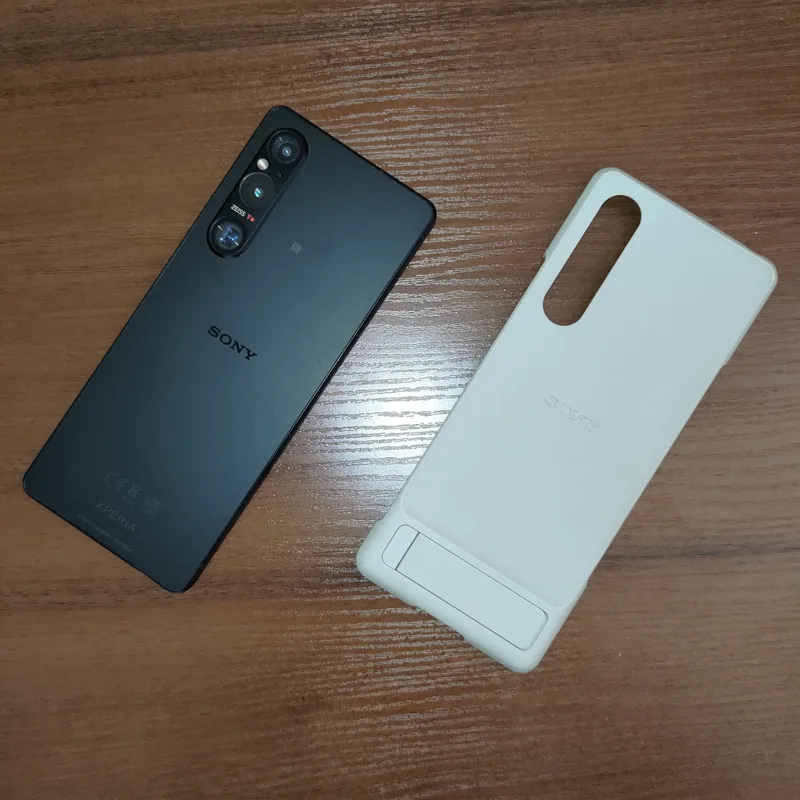
Most flagship phones look nearly identical to each other — a glass slab with a camera bump in one corner. The Nothing Phone (2) and the Sony Xperia 1 V both reject that template, just in completely different directions. Nothing does it through industrial design: a transparent back and programmable Glyph interface LED lighting that turns notifications into a visual light show. Sony does it through specialized camera and display hardware built for a specific professional-adjacent audience. At $599 versus $1,399, they're not really direct competitors, but both appeal to buyers actively rejecting the generic flagship formula.
The Glyph Interface
The Glyph interface is Nothing Phone (2)'s signature feature — customizable LED strips visible through the transparent back panel that can indicate specific callers, show charging progress, or act as a visual metronome for photos and music. It's genuinely unlike anything else on the market, and while it's arguably more novelty than essential utility, it gives the Phone (2) a personality that most Android flagships, including much more expensive ones, simply don't have. Our full Nothing Phone (2) verdict covers our take on whether the Glyph system holds up as more than a gimmick after extended use.
A Camera Built Like a Camera
The Xperia 1 V's differentiation is entirely functional rather than visual. Its 6.5-inch 4K OLED display in a tall 21:9 cinema aspect ratio, paired with a variable-aperture camera system offering full manual RAW capture and a dedicated two-stage shutter button, targets videographers and photography enthusiasts directly. Sony kept a 3.5mm headphone jack and a microSD slot — both dropped from nearly every other 2023-2024 flagship — specifically because its target audience of audio and content professionals still wants them.
Performance
Performance tells a clear price-tier story. The Phone (2) runs a Snapdragon 8+ Gen 1 — a strong but one-generation-old chip by the time of its release — while the Xperia 1 V runs the newer Snapdragon 8 Gen 2. Both handle everyday tasks comfortably, and the performance gap is less dramatic than the price difference would suggest, since Nothing built the Phone (2) to be a genuine near-flagship rather than a budget compromise.
Software
Software philosophy is where the two phones diverge sharply. Nothing OS 2.0 is deliberately close to stock Android — clean, fast, minimal bloatware, with the Glyph customization layered thoughtfully on top rather than replacing the core experience. It's one of the cleanest Android skins available at any price. Sony's software is also relatively close to stock Android, but its camera app in particular is built around Sony's Alpha camera lineage, with a steeper learning curve that rewards users who already understand manual photography concepts like shutter speed and ISO.
Cameras
Camera hardware favors the Xperia clearly in raw capability — its variable-aperture 48MP main sensor and manual control suite outclass the Phone (2)'s more conventional 50MP main and 50MP ultrawide combination, which leans on straightforward computational processing rather than offering deep manual control. For casual photography, both are perfectly competent; for anyone who wants to shoot like they're using a dedicated camera, only the Xperia delivers that.
Build Quality
Build quality reflects the price gap directly: the Phone (2) carries a modest IP54 splash-resistance rating, while the Xperia 1 V steps up to a genuine IP65/IP68 rating suitable for actual submersion, not just splashes. If durability against water exposure matters, that's a real, meaningful gap favoring the far more expensive phone. Our Xperia 1 V verdict covers the full durability picture.
Display Comparison
Screen technology also diverges meaningfully: the Phone (2)'s 6.7-inch LTPO AMOLED panel at 120Hz is a genuinely excellent, conventional flagship-tier display for the price, handling everyday use, video, and gaming smoothly. The Xperia 1 V's 4K 21:9 panel is more specialized — stunning for its intended cinema-content use case, but its unusual tall aspect ratio means some apps and games display with black bars or require scaling, a minor but real everyday quirk that buyers coming from a conventional-shaped phone should be aware of before switching.
Price-to-Feature Ratio
Viewed purely through a price-to-feature lens, the Nothing Phone (2) is one of the strongest value propositions among phones with genuine design ambition — you're paying a moderate premium over conventional midrange phones specifically for the Glyph Interface and clean software, without the steep costs Sony asks for its specialized camera and display hardware. The Xperia 1 V, by contrast, asks buyers to pay handsomely for capabilities most people will genuinely never use, which is exactly why it remains such a narrowly targeted product in Sony's lineup rather than a broad seller.
Battery Life Comparison
Battery capacity favors the Xperia numerically — 5000mAh versus the Phone (2)'s 4700mAh — though real-world stamina lands closer than the raw numbers suggest, since the Xperia's demanding 4K 120Hz display draws more power than the Phone (2)'s more conventional 1080p panel. Charging speed favors Nothing at 45W wired against Sony's more modest 30W, meaning the cheaper phone actually refills faster despite having a smaller battery to fill.
Wireless Charging
Wireless charging is another area where the Phone (2) surprises for its price — 15W wireless charging, a feature Sony omits from the Xperia 1 V entirely despite its much higher price tag, meaning Xperia owners are stuck with wired charging only, a genuinely odd omission for a $1,399 flagship in 2026's market.
Community and Software Updates
Nothing has cultivated an unusually active enthusiast community around its phones, with the company publicly sharing its software roadmap and responding to user feedback on features more directly than most manufacturers, giving Phone (2) owners a sense of participation in the product's direction that neither Sony's more traditional, closed development process nor most other Android makers typically offer.
Verdict
The Nothing Phone (2) proves you don't need flagship pricing to have a phone with genuine personality. The Xperia 1 V proves that some buyers will pay a serious premium for specialized tools most people will never use. Neither is trying to beat the other at its own game.